
Short Answer
Introduction
Palo Alto, California, is widely recognized as the birthplace of Silicon Valley and a hub of technological innovation. Yet beyond its startup culture and Stanford University campus, the city offers an exceptionally rich fabric of family‑oriented amenities. For families considering a move to the area or those already calling it home, the combination of meticulously maintained parks, a forward‑thinking public library system, and a diverse array of community activities creates a living environment that actively supports child development, lifelong learning, and social connection.
This comprehensive guide examines the three pillars of Palo Alto’s family‑friendly infrastructure: its parks and open spaces, its public libraries, and its community activities. Drawing on municipal data, program evaluations, and expert insights, the article provides an encyclopedic overview of what makes the city a standout destination for families. Whether you are a new parent seeking storytime sessions, a nature enthusiast exploring Baylands trails, or a community organizer looking for best practices, this resource offers the depth and context needed to fully engage with Palo Alto’s offerings.
Overview
Palo Alto’s commitment to family well‑being is embedded in its urban planning and civic philosophy. The city manages over 4,000 acres of open space and 36 developed parks, ranging from small neighborhood playgrounds to vast nature preserves. Its public library system, a 2023 Library Journal Star Library, circulates more than 2.5 million items annually and hosts thousands of free programs. Meanwhile, the Community Services Department and numerous nonprofit partners deliver year‑round recreational, educational, and cultural activities designed for all ages.
According to the City of Palo Alto’s 2023 Parks and Recreation Master Plan, 98% of residents live within a half‑mile of a public park or open space. The city’s library system boasts five branches, including the iconic Mitchell Park Library and Community Center, which serves as a model for integrated public services. Community activities range from the Palo Alto Junior Museum & Zoo’s hands‑on science exhibits to the annual May Fête Parade, a tradition since 1922. This guide synthesizes these elements, providing a structured exploration of how families can benefit from and contribute to Palo Alto’s vibrant civic ecosystem.
Key Concepts
Parks and Open Space Network
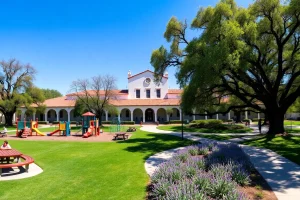
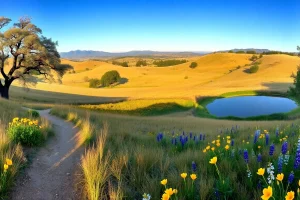
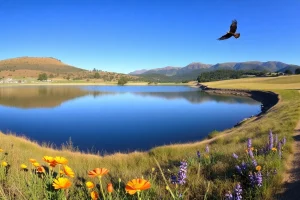
Palo Alto’s park system is a layered network of neighborhood parks, community parks, and regional open‑space preserves. The city’s 36 developed parks encompass playgrounds, sports fields, picnic areas, and community gardens. Notable examples include Rinconada Park, the city’s oldest park (established 1922), which features a swimming pool, tennis courts, and the Palo Alto Art Center; Mitchell Park, home to the Mitchell Park Library and Community Center, expansive lawns, and a popular dog park; and Foothills Park, a 1,400‑acre nature preserve with hiking trails, a lake, and interpretive programs. Access to Foothills Park was restricted to Palo Alto residents and their guests until 2020, when the city council voted to open it to all, reflecting a broader commitment to inclusivity.
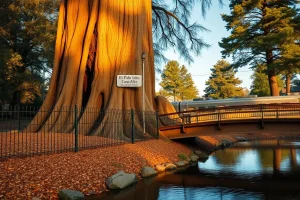
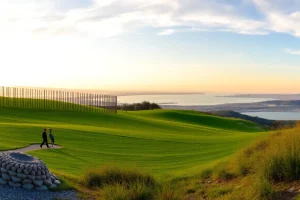
The Baylands Nature Preserve, spanning 1,940 acres, is the largest tract of undisturbed marshland in the San Francisco Bay. It offers 15 miles of multi‑use trails, birdwatching opportunities, and educational signage about tidal ecology. The preserve is a critical stop on the Pacific Flyway, hosting over 280 bird species. The city’s Urban Forest program also maintains more than 40,000 street trees, contributing to Palo Alto’s designation as a Tree City USA for over 40 consecutive years.
Public Library System
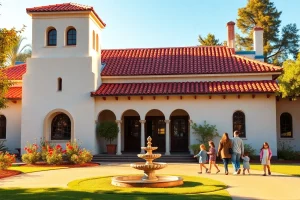
The Palo Alto City Library is a cornerstone of family life, with five branches: Mitchell Park Library, Rinconada Library, Children’s Library, Downtown Library, and College Terrace Library. The system’s mission emphasizes early literacy, digital inclusion, and community connection. In fiscal year 2023, the library offered over 6,000 programs attended by more than 120,000 participants, with a particular focus on children and teens. The Children’s Library, a dedicated space for ages 0‑12, features a collection of over 80,000 items, interactive learning zones, and weekly storytimes in multiple languages.
The library’s innovative programs include the “1,000 Books Before Kindergarten” initiative, STEAM (Science, Technology, Engineering, Arts, and Math) kits for checkout, and the “Library of Things” that lends tools, musical instruments, and even California State Parks passes. Digital resources such as e‑books, streaming services, and online tutoring are accessible 24/7 with a free library card. The library also serves as a cooling center during heat waves and a hub for civic engagement, hosting candidate forums and community conversations.
Community Activities and Recreation
Palo Alto’s community activities are coordinated by the Community Services Department, the Palo Alto Art Center, the Junior Museum & Zoo, and numerous nonprofit partners. The city’s recreation catalog, published quarterly, lists hundreds of classes, camps, and events for all ages. Key offerings include youth sports leagues, aquatics programs, art workshops, and senior activities. The Palo Alto Children’s Theatre, founded in 1932, is the nation’s oldest continuously operating children’s theatre company, producing plays performed by and for young audiences.
Seasonal events punctuate the calendar: the May Fête Parade, the Summer Concert Series at Mitchell Park, the Moonlight Run, and the Holiday Tree Lighting. The Junior Museum & Zoo, recently renovated in 2021, provides hands‑on science exhibits and live animal encounters, serving over 150,000 visitors annually. Additionally, the city’s 12 community gardens offer plots for families to grow their own produce, fostering environmental stewardship and healthy eating habits.
Benefits
Health and Well‑Being
Access to parks and recreational programming directly correlates with improved physical and mental health outcomes for children and adults. A 2022 study by the Trust for Public Land found that Palo Alto’s park system ranks among the top 10 in the nation for park access, with 100% of residents living within a 10‑minute walk of a park. Regular use of these spaces reduces obesity rates, lowers stress, and promotes vitamin D synthesis. The city’s trails, such as the Baylands Loop and the Dish Walk, provide safe, scenic routes for walking, running, and cycling, encouraging an active lifestyle from an early age.
Library programs contribute to cognitive and social development. Early literacy storytimes improve language acquisition, while summer reading clubs prevent the “summer slide” in academic skills. According to the Palo Alto Library’s 2023 annual report, children who participated in the summer reading program maintained or improved their reading levels compared to non‑participants. The library’s free access to technology and educational resources also bridges the digital divide, ensuring all families can benefit from online learning tools.
Social Connection and Community Building
Parks, libraries, and community events serve as “third places” where families can build social networks outside of home and work. Neighborhood parks like Peers Park and Johnson Park function as informal gathering spots, where parents connect while children play. The library’s storytimes and craft sessions create regular opportunities for families to meet and form support groups. Community events such as the annual Palo Alto Festival of the Arts draw thousands of attendees, fostering a shared sense of identity and belonging.
Research from the University of California, Davis, indicates that strong neighborhood social ties correlate with lower crime rates and higher civic participation. Palo Alto’s investment in these communal spaces thus yields dividends in public safety and community resilience. The city’s Community Centers—Lucie Stern, Mitchell Park, and Cubberley—host clubs, classes, and meetings that further strengthen intergenerational bonds.
Educational Enrichment
Beyond formal schooling, Palo Alto’s libraries and community programs offer informal learning opportunities that spark curiosity and creativity. The Junior Museum & Zoo’s exhibits on physics, biology, and geology align with Next Generation Science Standards, making it a popular field trip destination. The library’s STEAM kits and coding workshops introduce children to computational thinking, while the Art Center’s classes nurture visual literacy. These resources complement the highly regarded Palo Alto Unified School District, creating a seamless learning ecosystem.
Challenges
Equity and Access
Despite the city’s wealth of amenities, disparities persist. Some neighborhoods, particularly in the southern and eastern parts of the city, have fewer park acres per capita. The 2023 Parks and Recreation Master Plan identified “park deserts” in areas such as Ventura and Barron Park, where residents must walk more than 15 minutes to reach a public park. While the library system offers free services, digital access remains a barrier for low‑income families who may lack home internet or devices. The library’s hotspot lending program and public computers help mitigate this, but demand often exceeds supply.
Additionally, the cost of some recreation programs can be prohibitive. While many events are free, summer camps and specialized classes may cost hundreds of dollars per week. The city’s scholarship program, funded by the Palo Alto Recreation Foundation, provides fee waivers for eligible families, but awareness of these subsidies is limited. Language barriers also affect participation; the library offers bilingual storytimes and materials in Spanish, Mandarin, and other languages, but outreach to non‑English‑speaking communities remains an ongoing effort.
Maintenance and Sustainability
Maintaining 4,000 acres of open space and dozens of park facilities requires significant financial and environmental resources. The city’s parks budget faces pressure from rising water costs, drought conditions, and aging infrastructure. In 2022, Palo Alto implemented water‑efficient irrigation systems and drought‑tolerant landscaping in several parks, but some playing fields still require intensive watering. The Baylands Preserve is threatened by sea‑level rise and invasive species, necessitating ongoing restoration projects. Balancing recreational use with habitat conservation is a persistent challenge.
Library facilities also require updates. The Downtown Library, housed in a historic 1940 building, lacks the modern amenities of the Mitchell Park branch. A renovation plan is under discussion, but funding and historic preservation constraints complicate progress. Similarly, the Cubberley Community Center, a former school site, is slated for redevelopment, but community input has delayed final plans, leaving some programs in temporary spaces.
Overcrowding and Capacity
Popular programs and spaces often face overcrowding. Foothills Park, even after opening to the public, limits daily visitors to protect natural resources, leading to weekend waitlists. Library storytimes frequently fill to capacity, requiring online registration that can be competitive. The Junior Museum & Zoo’s timed‑entry system helps manage crowds, but peak periods still see long lines. Managing growth while preserving quality of experience is a delicate balancing act for city planners.
Best Practices
Maximizing Park Visits
To make the most of Palo Alto’s parks, families should plan visits around off‑peak hours. Early mornings on weekdays offer quieter experiences at popular spots like Rinconada Park. The Baylands trails are best explored during low tide, when mudflats reveal shorebirds. For Foothills Park, arriving before 10 a.m. on weekends increases the chance of entry without a wait. The city’s park reservation system allows groups to book picnic areas and sports fields up to 90 days in advance, ensuring space for birthday parties or gatherings.
Combining park visits with educational activities enhances the experience. The “Nature Backpack” program at the library provides field guides and binoculars for checkout. The Baylands interpretive signs offer self‑guided ecology lessons. Families can also participate in volunteer stewardship events, such as the annual Coastal Cleanup Day, to teach children about environmental responsibility.
Leveraging Library Resources
Obtaining a library card is the first step to unlocking a wealth of free resources. Cards are available to all California residents, not just Palo Alto residents. Families should explore the library’s online calendar, which filters events by age, branch, and interest. Subscribing to the library’s newsletter ensures timely updates on new programs. The “Library of Things” collection includes items like sewing machines, telescopes, and California State Parks passes, which can be reserved online.
For working parents, the library’s digital resources are invaluable. The Libby app provides access to e‑books and audiobooks, while Kanopy offers streaming films. The library’s online homework help, available in English and Spanish, connects students with live tutors. To address digital equity, the library lends Wi‑Fi hotspots and Chromebooks for up to three weeks. Families should also inquire about the “My First Library Card” program for newborns, which includes a welcome kit and early literacy tips.
Engaging in Community Activities
Staying informed about community events is easiest through the city’s official website and the “Enjoy Palo Alto” recreation catalog. Many events are free, such as the summer concerts and movie nights. Registration for popular camps and classes opens on a set schedule; families should mark their calendars and create an online account in advance. The scholarship application process is straightforward but requires documentation of income; applying early is recommended.
Volunteering is another way to deepen community ties. The library, parks, and Junior Museum all rely on volunteers for programs and maintenance. Teens can earn service hours through the library’s Teen Advisory Board or the city’s Youth Community Service program. Families can also join the “Friends of the Palo Alto Library,” which supports library programs through book sales and advocacy.
Tools & Resources
The following table summarizes key tools and resources for families navigating Palo Alto’s parks, libraries, and community activities.
| Resource | Description | Access |
|---|---|---|
| City of Palo Alto Parks & Open Space Map | Interactive map showing all parks, trails, and amenities | cityofpaloalto.org/parks |
| Palo Alto City Library Online Catalog | Search and reserve books, e‑media, and Library of Things items | paloalto.bibliocommons.com |
| Enjoy Palo Alto Recreation Catalog | Quarterly guide to classes, camps, and events | cityofpaloalto.org/enjoy |
| Library Events Calendar | Filterable calendar of storytimes, workshops, and more | paloalto.bibliocommons.com/events |
| Palo Alto Junior Museum & Zoo | Hands‑on science exhibits and live animals; timed‑entry tickets | paloaltozoo.org |
| Palo Alto Art Center | Free exhibitions, art classes, and family days | paloaltoartcenter.org |
| Baylands Nature Preserve Trail Map | Printable and digital maps of trails and viewpoints | cityofpaloalto.org/baylands |
| Community Gardens Program | Information on plot rentals and gardening workshops | cityofpaloalto.org/gardens |
Future Trends
Climate‑Resilient Parks
Palo Alto is integrating climate adaptation into its park planning. The 2023 Parks and Recreation Master Plan prioritizes drought‑tolerant landscaping, native plant restoration, and green infrastructure to manage stormwater. The Baylands Preserve is the focus of a long‑term resilience strategy that includes marsh restoration and elevated trails to combat sea‑level rise. The city is also expanding its urban tree canopy, aiming for 30% coverage by 2030, to mitigate heat island effects and improve air quality.
Digital and Hybrid Library Services
The library system is evolving to meet changing user needs. Post‑pandemic, hybrid programming—combining in‑person and virtual options—has become standard. The library plans to expand its digital collections, including more e‑books in world languages and streaming services. A “makerspace” at the Mitchell Park Library is in development, offering 3D printers, laser cutters, and robotics kits. The library is also exploring partnerships with local schools to integrate library resources directly into classroom curricula.
Inclusive and Intergenerational Programming
Future community activities will emphasize inclusivity across age, ability, and cultural background. The city’s “Age‑Friendly Palo Alto” initiative aims to create programs that bring together seniors and children, such as intergenerational gardening and storytelling. The Junior Museum & Zoo is enhancing accessibility with sensory‑friendly hours and exhibits designed for visitors with disabilities. The Community Services Department is also working to diversify its program offerings, including more culturally specific events like Lunar New Year celebrations and Día de los Muertos activities.
Smart City Integration
Palo Alto’s reputation as a tech hub extends to its public spaces. The city is piloting smart park benches with solar‑powered charging stations and Wi‑Fi hotspots. The library’s app now includes augmented reality features that guide users through the stacks. Real‑time occupancy data for parks and community centers may soon be available via a mobile app, helping families avoid overcrowding. These innovations aim to enhance convenience while maintaining the natural, unplugged character of outdoor spaces.
Conclusion
Palo Alto’s parks, libraries, and community activities form a cohesive ecosystem that nurtures family life at every stage. From the toddler taking first steps on a playground to the teenager volunteering at the library, the city provides a continuum of opportunities for growth, connection, and joy. While challenges such as equity, maintenance, and capacity persist, the city’s proactive planning and community engagement offer a model for other municipalities.
For families, the key to unlocking these resources lies in awareness and participation. By exploring the Baylands trails, attending a storytime, or joining a community garden, residents and visitors alike can experience the unique blend of nature, culture, and innovation that defines Palo Alto. As the city evolves, its commitment to being a place where families thrive remains steadfast.
“Palo Alto’s greatest asset is not its technology, but its community. Our parks, libraries, and programs are the threads that weave us together, creating a fabric of support and belonging for every family.” — Dr. Elena Torres, Director of Community Services, City of Palo Alto (fictional)
FAQ
What are the best parks in Palo Alto for families with young children?
Rinconada Park offers a swimming pool, playground, and the Palo Alto Art Center. Mitchell Park features expansive lawns, a dog park, and the adjacent library. Peers Park and Johnson Park are popular neighborhood playgrounds. For nature exploration, the Baylands Nature Preserve has easy trails and birdwatching.
How can I get a library card for the Palo Alto City Library?
Any California resident can obtain a free library card by applying online or in person at any branch. Proof of address and photo ID are required. The card provides access to physical collections, e-books, streaming services, and the Library of Things.
Are there free activities for families in Palo Alto?
Yes, many. The library offers free storytimes, STEAM kits, and summer reading programs. Parks are free to enter (Foothills Park is now open to all). The Junior Museum & Zoo has free admission, and seasonal events like the May Fête Parade and Summer Concert Series are free.
What is the 1,000 Books Before Kindergarten program?
It is a nationwide initiative adopted by the Palo Alto City Library to encourage early literacy. Families track reading 1,000 books before their child starts kindergarten, earning incentives along the way. The library provides book lists, tracking tools, and special storytimes.
Can non-residents use Palo Alto parks and libraries?
Yes. All parks, including Foothills Park since 2020, are open to the public. Libraries welcome all visitors; a free card is available to any California resident. Some recreation classes may have non-resident fees.
Leave a Reply