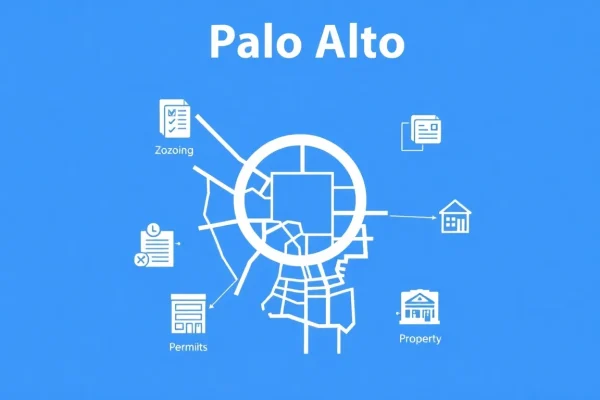
How to Find Palo Alto Planning and Parcel Information: A Resident’s Guide

Navigating property records, zoning maps, and planning documents in Palo Alto can be daunting. This guide demystifies the process, showing you exactly where to find official parcel data, planning applications, and land-use regulations using city and county tools. Whether you’re researching a home project, checking zoning, or verifying property boundaries, you’ll learn the step-by-step methods and key terminology to access accurate, up-to-date information.

Read More →

Pearson-Arastradero Preserve: A Complete Guide to Trails, History, and Visitor Information

Explore the rolling grasslands and oak woodlands of Pearson-Arastradero Preserve, a 622-acre open space in Palo Alto offering over 10 miles of multi-use trails, rich wildlife, and a deep history from Ohlone times to the present. This guide covers everything from trail details and accessibility to rules and nearby attractions.

Read More →

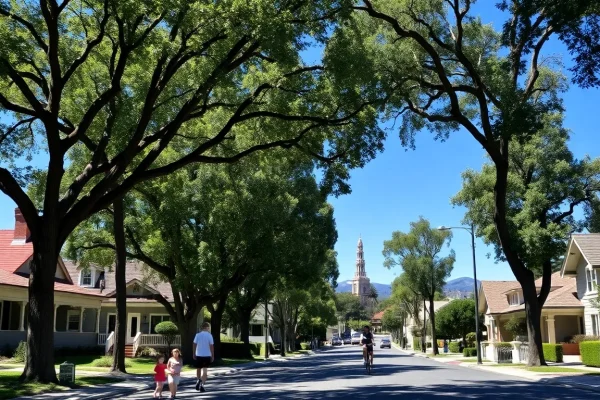
University South Neighborhood Guide: History, Housing, and Local Life

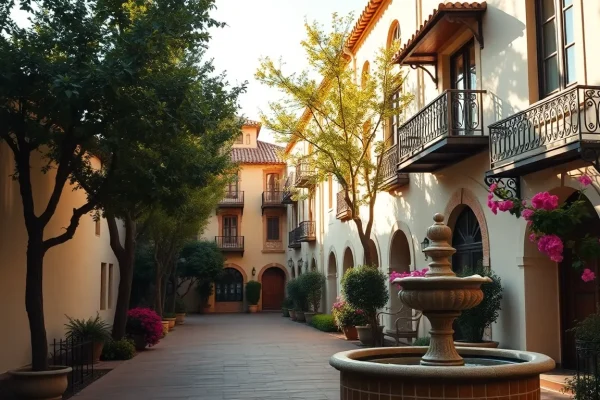
University South is a leafy, historic residential enclave in the heart of Palo Alto, prized for its early 20th-century architecture, top-rated schools, and unbeatable walkability to downtown shops and Stanford University. With tree-canopied streets, a strong community spirit, and a mix of Craftsman, Spanish Revival, and mid-century homes, it appeals to families, professionals, and academics seeking a quintessential Palo Alto lifestyle.

Read More →

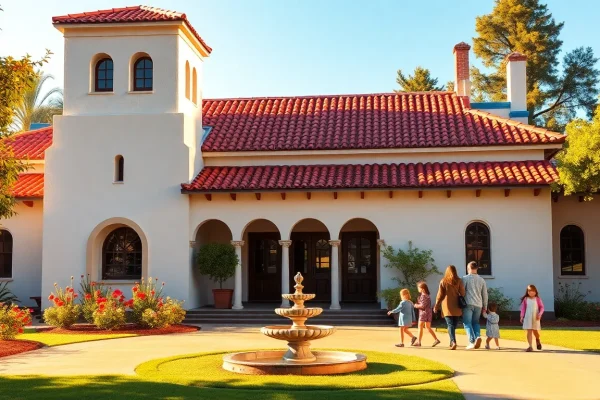
The Palo Alto Children’s Library: America’s First Free-St anding Library for Children

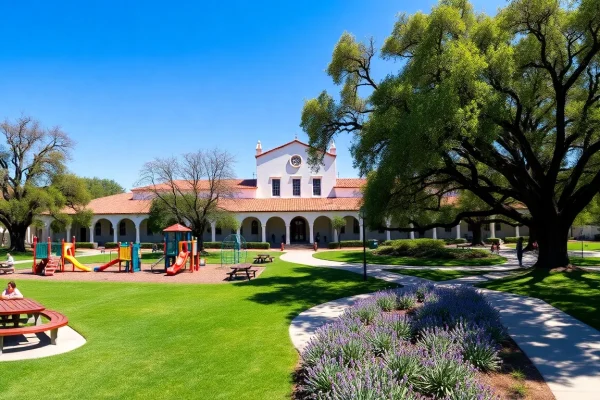
Nestled beside Rinconada Park, the Palo Alto Children’s Library is a beloved historic landmark and the nation’s first purpose-built, free-standing public library exclusively for children. Designed by architect Birge Clark in 1937 as a Works Progress Administration project, its enchanting Spanish Colonial Revival architecture, secret garden, and enduring community role make it a living storybook of civic pride and early childhood education.

Read More →

Aquarius Theatre: A Mid-Century Modern Cinema Landmark in Palo Alto

The Aquarius Theatre in Palo Alto, California, stands as a rare surviving example of mid-century modern cinema design. Opened in 1969, its distinctive curved marquee, neon signage, and Googie-influenced architecture have made it a beloved cultural institution and a vital venue for independent and art-house films in Silicon Valley.

Read More →

Downtown North Neighborhood Guide: History, Housing, and Local Life

Downtown North is Palo Alto’s historic, tree-lined gateway to the city’s vibrant core. Known for its early 20th-century architecture, walkable streets, and the charming Professorville district, it offers a blend of urban convenience and residential tranquility. This guide explores its history, housing, parks, and the daily rhythms that make it a sought-after address for families, professionals, and anyone who values community character.

Read More →

Palo Alto’s Bicycle Boulevard Network: A Resident’s Guide to Low-Stress Cycling Routes

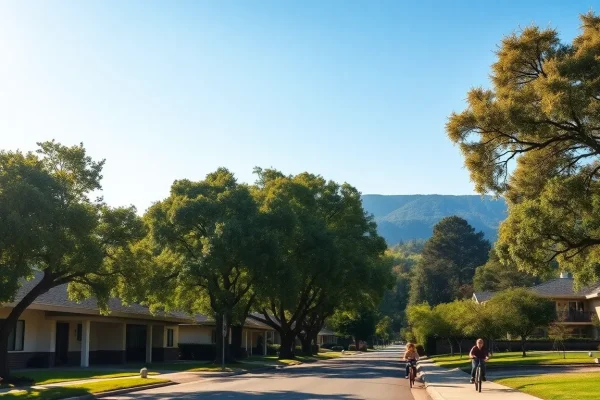
Palo Alto’s Bicycle Boulevard Network transforms quiet residential streets into safe, convenient corridors for cyclists of all ages. This guide explains what the network is, how it’s managed, where to find official maps and data, and how residents can use these routes for everyday trips. Learn about the history, current status, key terminology, and limitations of this pioneering system that has influenced bicycle planning nationwide.

Read More →

Byxbee Park: A Complete Guide to Palo Alto’s Sculpted Baylands Landmark

Byxbee Park, a 30-acre reclaimed landfill on the Palo Alto Baylands, blends environmental restoration with striking public art. Designed by Hargreaves Associates, the park features sculpted hills, a forest of poles, and shell mounds that frame sweeping views of San Francisco Bay. This guide covers everything from trail details and accessibility to history and visitor logistics.

Read More →

How Historic Properties Are Designated in Palo Alto: A Guide to the Process, Criteria, and Local Inventory

Palo Alto’s historic designation process identifies and protects buildings, structures, and districts that embody the city’s architectural and cultural heritage. This guide explains how properties are evaluated, the roles of the Historic Resources Board and City Council, and how residents can nominate a property for landmark status or inclusion on the Palo Alto Historic Inventory.

Read More →