Short Answer
Where is Palo Verde Neighborhood Guide?
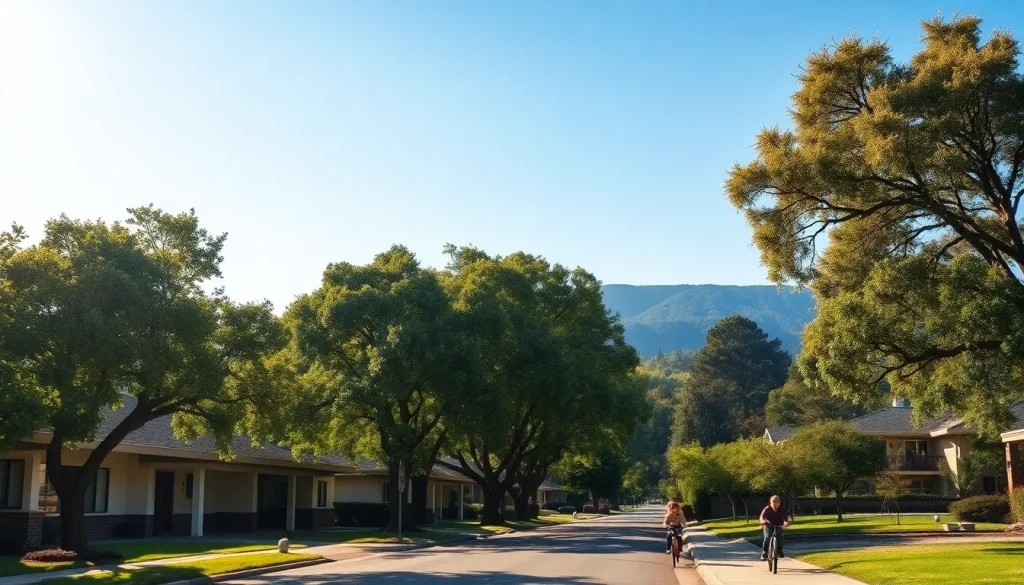
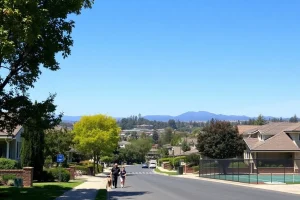
Palo Verde is a residential neighborhood in the southern part of Palo Alto, California, roughly two miles south of downtown and immediately adjacent to the Stanford University campus. It sits on the flatlands of the Santa Clara Valley, with the Santa Cruz Mountains visible to the west. The neighborhood is named after the palo verde tree, though the streets are more commonly lined with sycamores, liquidambars, and redwoods. Its central location places residents within a short bike ride of Stanford, the California Avenue business district, and major tech employers.
Boundaries and map
The City of Palo Alto’s official neighborhood map defines Palo Verde with these boundaries:
- North: Oregon Expressway (Page Mill Road becomes Oregon Expressway east of Alma Street)
- East: Middlefield Road
- South: East Meadow Drive
- West: Alma Street (the Caltrain railroad tracks)
The neighborhood is roughly rectangular, covering about 0.4 square miles. It is bordered by the Midtown neighborhood to the east, Professorville to the north across Oregon Expressway, College Terrace to the northwest, and Barron Park to the south. The Alma Street edge is defined by the Caltrain corridor, which separates Palo Verde from the Stanford Weekend Acres and the university’s athletic facilities.
Character of the neighborhood
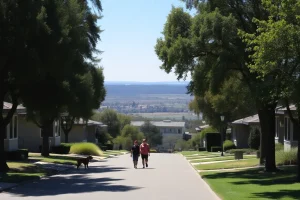
Palo Verde exudes a quiet, suburban charm with a distinctly mid-century modern aesthetic. Wide, curving streets discourage through traffic, while mature trees create a continuous canopy. The neighborhood is overwhelmingly residential, with a mix of original Eichler homes, sympathetic remodels, and a few newer custom houses. Front yards are open and low-fenced, encouraging neighborly interaction. On any given afternoon, you’ll see children walking home from Palo Verde Elementary, families heading to the park, and cyclists commuting along the bike-friendly streets. A strong neighborhood association and annual events like the Fourth of July parade reinforce a tight-knit community feel.
History
Palo Verde’s development is closely tied to the post-World War II housing boom in Palo Alto. The land was originally part of the vast Rancho Rincon de San Francisquito, a Mexican land grant, and later agricultural fields. In the early 1950s, developer Joseph Eichler recognized the demand for modern, affordable homes for returning veterans and Stanford families. Between 1951 and 1954, Eichler built approximately 300 homes in the neighborhood, making it one of the earliest and most intact Eichler tracts in the city. The neighborhood was designed with community in mind, featuring a central park and an elementary school that opened in 1953. Over the decades, Palo Verde has retained its architectural integrity, and many homes are now protected by Palo Alto’s historic preservation ordinance or are listed on the city’s Historic Inventory.
Housing and architecture
Palo Verde is synonymous with mid-century modern architecture, particularly the Eichler home. These single-story, post-and-beam structures feature flat or low-sloping roofs, floor-to-ceiling glass walls, open floor plans, and signature atriums that bring the outdoors in. The neighborhood contains several Eichler models, including the popular “Eichler 3” and “Eichler 4” designs. While many homes have been updated with modern kitchens and seismic retrofits, owners often preserve the original character. In addition to Eichlers, there are a few ranch-style homes from the same era and a handful of newer two-story infill developments. Lot sizes average 6,000 to 8,000 square feet. The housing stock is almost entirely single-family detached homes, with very few condominiums or apartments. Prices reflect the high demand for Palo Alto schools and the architectural cachet, typically ranging from $2.5 million to over $4 million.
Parks and natural features
Palo Verde Park (at the intersection of Palo Verde Avenue and Greer Road) is the neighborhood’s green heart. This 2.5-acre park features a children’s playground, a large grassy field, picnic tables, and a half-court basketball area. Mature redwood and oak trees provide shade. The park hosts community gatherings, including the annual Fourth of July celebration. Just outside the neighborhood, Mitchell Park (south of East Meadow Drive) offers additional amenities: tennis courts, a library, a community center, and the popular Magical Bridge playground. The Adobe Creek channel runs along the southern edge, providing a walking and biking path that connects to the Baylands.
Schools and community facilities
Palo Verde is served by the highly acclaimed Palo Alto Unified School District (PAUSD). The neighborhood’s public schools are:
- Palo Verde Elementary School (K-5) – located within the neighborhood on Louis Road, consistently ranked among the top elementary schools in California.
- Jane Lathrop Stanford Middle School (6-8) – about 0.7 miles north, across Oregon Expressway.
- Palo Alto High School (9-12) – approximately 1 mile north, adjacent to the Stanford campus.
Community facilities include the Palo Verde Neighborhood Association, which organizes social events and advocates for residents. The Mitchell Park Library and Community Center is a short walk south and offers a modern library, meeting rooms, and teen programs. Religious institutions nearby include the Unitarian Universalist Church of Palo Alto and St. Mark’s Episcopal Church.
Transportation and walkability
Palo Verde is highly walkable and bike-friendly. The flat terrain and low traffic volumes make it safe for pedestrians and cyclists. Dedicated bike lanes run along East Meadow Drive and Middlefield Road. The Caltrain California Avenue station is just 0.5 miles west, providing commuter rail service to San Francisco and San Jose. Several VTA bus lines run along Middlefield and Oregon Expressway. For drivers, Oregon Expressway connects to Highway 101 and Interstate 280. The neighborhood’s Walk Score is 68 (somewhat walkable), and its Bike Score is 85 (very bikeable).
Shops and everyday services
While Palo Verde itself is purely residential, daily needs are easily met in adjacent commercial districts. The California Avenue shopping district (0.5 miles west) offers a farmers’ market on Sundays, grocery stores (Country Sun Natural Foods, Mollie Stone’s), cafes, restaurants, and boutique shops. Midtown Shopping Center (0.6 miles east on Middlefield) has a Safeway, CVS, and several eateries. The Stanford Shopping Center is a 5-minute drive north. For medical services, the Palo Alto Medical Foundation is on El Camino Real, about 1.5 miles away.
Notable landmarks
- Eichler Home Cluster on Greer Road and Palo Verde Avenue: A pristine collection of early-1950s Eichlers that exemplify the indoor-outdoor living concept.
- Palo Verde Elementary School: A mid-century school building with a distinctive mural and a community garden.
- Palo Verde Park Redwood Grove: A small stand of coast redwoods planted in the 1950s, now towering over the playground.
- Adobe Creek Trail: A landscaped path along the creek, popular for jogging and birdwatching.
Current planning issues
Like much of Palo Alto, Palo Verde faces pressure from rising housing demand. Key planning topics include:
- Accessory Dwelling Units (ADUs): The city encourages ADUs to increase housing stock, but some residents worry about parking and privacy impacts.
- Historic Preservation: Balancing the desire to update aging Eichlers with the need to protect the neighborhood’s architectural character. Several homes are on the city’s Historic Inventory, triggering design review for exterior changes.
- Traffic Calming: Cut-through traffic on Greer Road and Louis Road has prompted requests for speed humps and improved crosswalks.
- Climate Resilience: The neighborhood is in a FEMA flood zone (Adobe Creek), leading to discussions about stormwater management and home elevation requirements.
What residents should know
Palo Verde has an active neighborhood association that publishes a newsletter and maintains an email list. The annual Fourth of July parade and picnic at Palo Verde Park is a beloved tradition. Because of the Eichler homes’ radiant heating systems and original single-pane windows, energy efficiency upgrades are common but require careful planning. The neighborhood is within the “Palo Verde” priority enrollment area for PAUSD, guaranteeing a spot at the elementary school. Parking is generally ample, but street sweeping occurs twice a month. Coyote sightings are occasional, especially near the creek, so small pets should be supervised.
Nearby neighborhoods
| Neighborhood | Distance | Key Characteristics |
|---|---|---|
| Midtown | 0.3 miles east | Post-war ranch homes, Midtown Shopping Center, diverse housing stock |
| Professorville | 0.5 miles north | Historic district with Craftsman and Colonial Revival homes, leafy streets |
| College Terrace | 0.7 miles northwest | Small lots, early-20th-century cottages, popular with Stanford grad students |
| Barron Park | 0.5 miles south | Rural-suburban feel, larger lots, home to the historic Pearson-Arastra House |
“Living in Palo Verde feels like stepping back into a more optimistic era. The light in these Eichler homes is magical, and the community is genuinely warm. We wouldn’t live anywhere else.” — A 20-year resident on Greer Road
FAQ
What is the average home price in Palo Verde?
As of 2025, single-family homes in Palo Verde typically sell for between $2.5 million and $4.5 million, depending on size, condition, and whether the home is an original Eichler or a modern remodel. Prices are driven by the top-rated schools and the neighborhood's architectural cachet.
Are there any condos or apartments in Palo Verde?
The neighborhood is almost exclusively single-family detached homes. There are no large apartment complexes or condominium developments within the official boundaries. The few multi-family options are small duplexes or converted garages, and they rarely come on the market.
How is the commute to Stanford University?
Stanford is extremely accessible. By bike, it's a 10-minute ride via quiet streets to the main campus. The Caltrain California Avenue station is a 10-minute walk, with frequent trains to the Stanford station (one stop away). Driving takes about 5-10 minutes, though parking on campus can be challenging.
Is Palo Verde a good place for families?
Yes, it is one of the most family-oriented neighborhoods in Palo Alto. The combination of a top-ranked elementary school within walking distance, a safe and quiet street network, an active neighborhood association, and the popular Palo Verde Park makes it ideal for raising children.
Leave a Reply