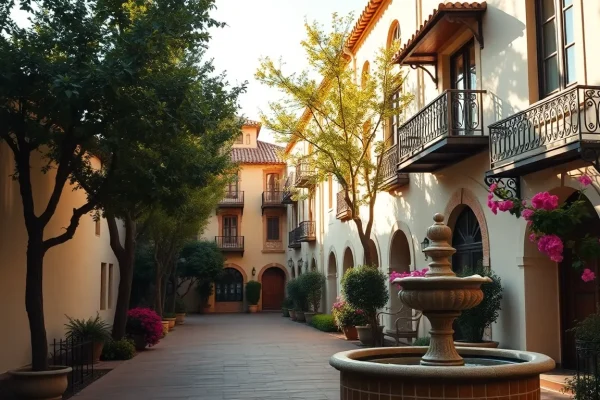
The Historic Ramona Street Architectural District: Palo Alto’s Spanish Colonial Revival Gem

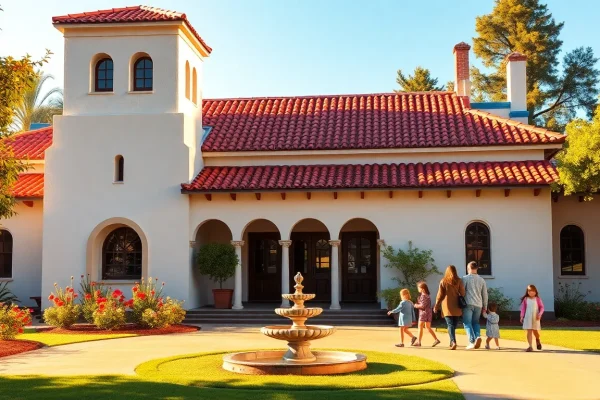
Nestled in the heart of downtown Palo Alto, the Historic Ramona Street Architectural District is a rare surviving enclave of early 20th-century Spanish Colonial Revival and Mediterranean Revival design. Listed on the National Register of Historic Places, this pedestrian-scaled streetscape showcases the visionary work of architects like Pedro de Lemos and Birge Clark, offering a tranquil, romantic counterpoint to the surrounding modern commercial core.
Read More →

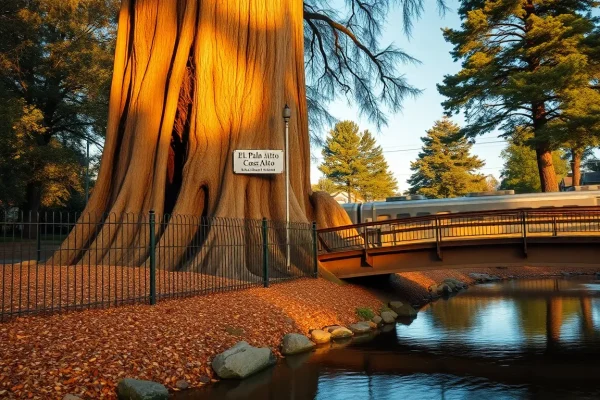
El Palo Alto Park and the Historic Redwood: The Living Landmark That Named a City

Standing sentinel on the banks of San Francisquito Creek, El Palo Alto is a thousand-year-old coast redwood that gave the city of Palo Alto its name. This California Historical Landmark has witnessed the passage of Ohlone peoples, Spanish explorers, and the birth of Silicon Valley, remaining a powerful symbol of natural endurance and cultural heritage.

Read More →

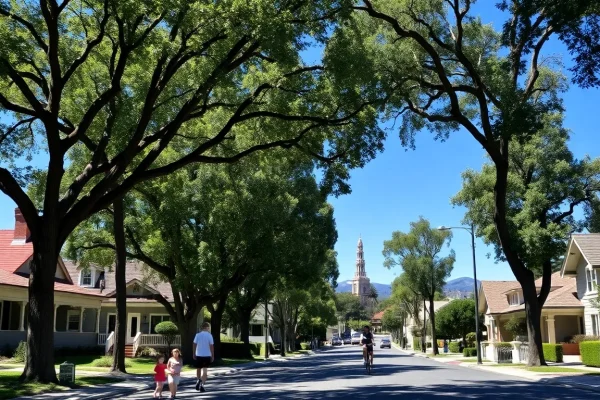
University South Neighborhood Guide: History, Housing, and Local Life

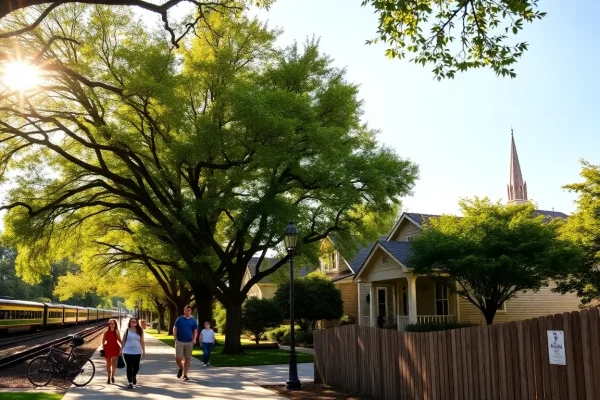
University South is a leafy, historic residential enclave in the heart of Palo Alto, prized for its early 20th-century architecture, top-rated schools, and unbeatable walkability to downtown shops and Stanford University. With tree-canopied streets, a strong community spirit, and a mix of Craftsman, Spanish Revival, and mid-century homes, it appeals to families, professionals, and academics seeking a quintessential Palo Alto lifestyle.

Read More →

The Palo Alto Children’s Library: America’s First Free-St anding Library for Children

Nestled beside Rinconada Park, the Palo Alto Children’s Library is a beloved historic landmark and the nation’s first purpose-built, free-standing public library exclusively for children. Designed by architect Birge Clark in 1937 as a Works Progress Administration project, its enchanting Spanish Colonial Revival architecture, secret garden, and enduring community role make it a living storybook of civic pride and early childhood education.

Read More →

Aquarius Theatre: A Mid-Century Modern Cinema Landmark in Palo Alto

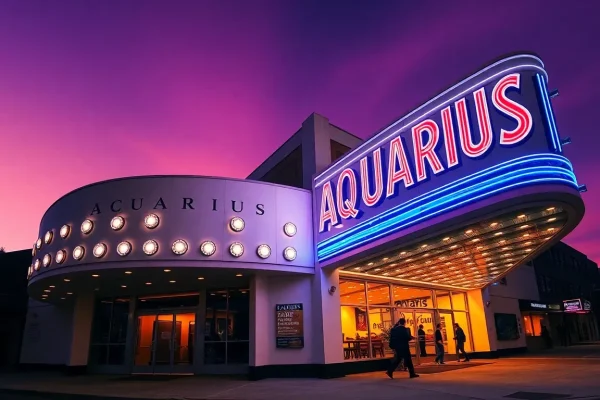
The Aquarius Theatre in Palo Alto, California, stands as a rare surviving example of mid-century modern cinema design. Opened in 1969, its distinctive curved marquee, neon signage, and Googie-influenced architecture have made it a beloved cultural institution and a vital venue for independent and art-house films in Silicon Valley.

Read More →

Downtown North Neighborhood Guide: History, Housing, and Local Life

Downtown North is Palo Alto’s historic, tree-lined gateway to the city’s vibrant core. Known for its early 20th-century architecture, walkable streets, and the charming Professorville district, it offers a blend of urban convenience and residential tranquility. This guide explores its history, housing, parks, and the daily rhythms that make it a sought-after address for families, professionals, and anyone who values community character.

Read More →

How Historic Properties Are Designated in Palo Alto: A Guide to the Process, Criteria, and Local Inventory

Palo Alto’s historic designation process identifies and protects buildings, structures, and districts that embody the city’s architectural and cultural heritage. This guide explains how properties are evaluated, the roles of the Historic Resources Board and City Council, and how residents can nominate a property for landmark status or inclusion on the Palo Alto Historic Inventory.

Read More →

The Former Town of Mayfield: Palo Alto’s Lost Railroad Suburb and the Whiskey Gulch Legacy

Once a thriving railroad town and the rowdy counterpart to dry Palo Alto, the former Town of Mayfield was annexed in 1925 after decades of political and cultural friction. Its legacy endures in the California Avenue business district, historic architecture, and the enduring tale of Whiskey Gulch, where saloons flourished just across the boundary line. This entry explores the rise, disappearance, and lasting imprint of a community that shaped the character of modern Palo Alto.

Read More →

Professorville Neighborhood Guide: History, Housing, and Local Life

Professorville is Palo Alto’s most storied residential enclave, a National Register historic district where tree-lined streets, early 20th-century architecture, and deep Stanford roots converge. This guide explores its Craftsman and Colonial Revival homes, the iconic HP Garage, top-rated schools, and the quiet, walkable character that attracts academics, professionals, and families seeking a living piece of Silicon Valley history.

Read More →

Palo Alto City Hall: A Spanish Colonial Revival Landmark of Civic Pride and WPA Legacy

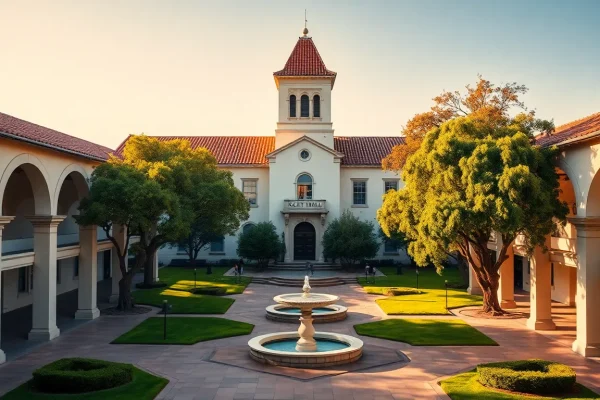
Palo Alto City Hall stands as a masterwork of Spanish Colonial Revival architecture and a living monument to the New Deal era. Designed by Charles K. Sumner and adorned with Millard Sheets’ vibrant mural, this 1938 landmark embodies the city’s transformation from a quiet college town into a thriving civic center, blending Stanford-inspired aesthetics with democratic ideals.

Read More →