Short Answer
Introduction
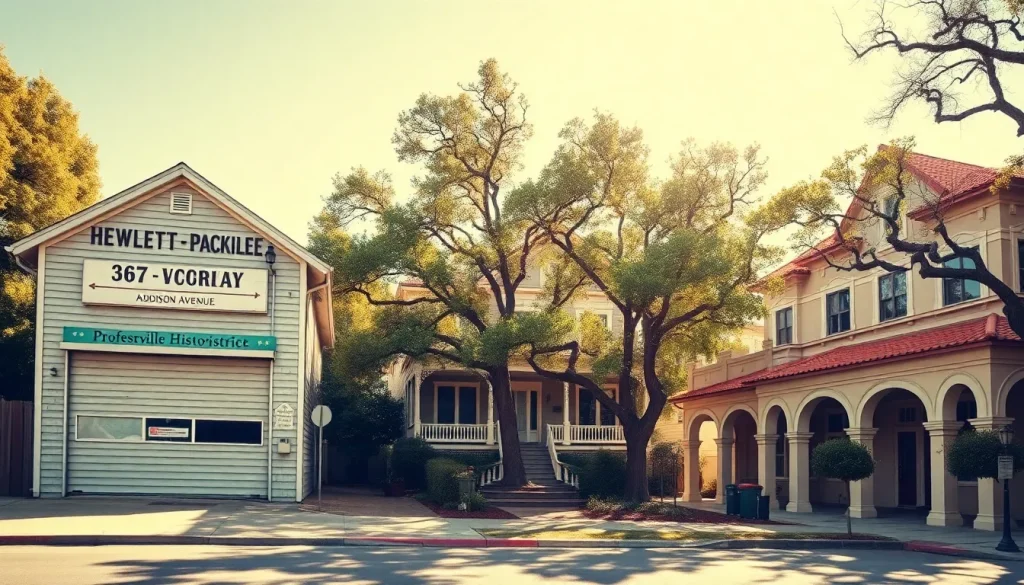
Palo Alto is globally recognized as the epicenter of technological innovation, but its built environment tells a deeper story—one of pioneering architects, visionary planners, and a community dedicated to safeguarding its heritage. From the iconic Hewlett-Packard garage at 367 Addison Avenue, widely considered the birthplace of Silicon Valley, to the serene Spanish Colonial Revival estates of Professorville, the city’s historic fabric is a tangible link to the past. Historic preservation in Palo Alto is not merely about freezing buildings in time; it is a dynamic process that balances growth, sustainability, and cultural memory. This article serves as the definitive resource on the registers, districts, policies, and practices that define historic preservation in Palo Alto, offering an encyclopedic overview for homeowners, researchers, and civic leaders alike.
Overview
Palo Alto’s historic preservation framework operates at the intersection of local, state, and federal regulations. The city maintains its own Palo Alto Historic Inventory, a comprehensive list of properties deemed significant to the community’s development. This inventory feeds into the California Register of Historical Resources and the National Register of Historic Places, providing layers of recognition and, in some cases, regulatory protection. As of 2024, the city’s inventory includes over 600 individual properties and multiple historic districts, reflecting architectural styles from Queen Anne and Craftsman to Mid-Century Modern and Brutalism. The preservation program is administered by the Palo Alto Historic Resources Board (HRB), which advises the City Council on matters of designation, alteration, and demolition.
Palo Alto’s approach to preservation is unique in that it must reconcile the pressures of intense real estate demand with a deep community respect for history. The city’s Comprehensive Plan explicitly identifies historic preservation as a core value, aiming to “protect and enhance the built and cultural heritage that defines Palo Alto’s unique character.” This commitment is evident in the robust inventory system, the availability of the Mills Act for property tax relief, and the careful review of projects affecting historic resources.
Key Concepts
The Palo Alto Historic Inventory
The cornerstone of local preservation is the Palo Alto Historic Inventory, a list of buildings, structures, sites, and districts that have been evaluated for historical significance. The inventory categorizes resources into three tiers:
- Category 1: “Exceptional” resources that are individually eligible for the National Register of Historic Places. These are the city’s most significant landmarks, such as the HP Garage and the Lou Henry Hoover House.
- Category 2: “Notable” resources that are eligible for the California Register but may not meet all National Register criteria. Many fine Craftsman bungalows and early Eichler homes fall into this category.
- Category 3: “Contributing” resources that add to the character of a historic district but are not individually eligible for designation. These are often found within the Professorville or Ramona Street districts.
The inventory is a living document, updated periodically through citywide surveys. The most recent major survey, completed in 2011, identified hundreds of Mid-Century Modern resources for the first time, reflecting a growing appreciation for post-war architecture.
National Register of Historic Places
The National Register is the federal government’s official list of districts, sites, buildings, structures, and objects deemed worthy of preservation. Listing provides formal recognition, eligibility for federal tax credits, and a measure of protection from federally funded projects. Palo Alto boasts several National Register listings, including individual properties like the Hewlett-Packard House and Garage (listed in 2007) and the Lou Henry Hoover House (listed in 1978), as well as historic districts such as Professorville (listed in 1980).
California Register of Historical Resources
The California Register is the state’s authoritative guide to historical and archaeological resources. It includes properties listed in or formally determined eligible for the National Register, as well as State Historical Landmarks and Points of Historical Interest. Many Palo Alto properties are automatically listed in the California Register by virtue of their National Register status. The California Register also provides a mechanism for designating resources of statewide significance that may not meet federal criteria, and it triggers environmental review under the California Environmental Quality Act (CEQA) for projects that may affect those resources.
Local Historic Districts and Individual Landmarks
Palo Alto has established several local historic districts that protect the character of entire neighborhoods. The most famous is Professorville, a residential area near Stanford University that housed many early faculty members. Its streets are lined with well-preserved examples of Shingle, Craftsman, and Colonial Revival architecture. Other notable districts include the Ramona Street Architectural District, a charming commercial block designed by Pedro de Lemos in the Spanish Colonial Revival style, and the Palo Alto Stock Farm, the site of Leland Stanford’s famous horse-breeding operation that later became Stanford University. Individual landmarks range from the Birge Clark-designed Post Office to the Palo Alto Medical Clinic, a Mid-Century Modern complex by Edward Durell Stone.
The Historic Resources Board (HRB)
The HRB is a seven-member advisory body appointed by the City Council. Its members include professionals in architecture, history, archaeology, and planning, as well as community representatives. The HRB reviews applications for alterations, additions, and demolitions of historic properties, makes recommendations on historic district designations, and oversees the Historic Inventory update process. The board’s decisions are guided by the Secretary of the Interior’s Standards for the Treatment of Historic Properties, ensuring that changes respect the character-defining features of historic resources.
Benefits
Cultural and Educational Value
Historic preservation in Palo Alto serves as a living classroom. Buildings like the HP Garage and the Lee de Forest Electronics Laboratory (where the vacuum tube amplifier was perfected) are physical touchstones of the city’s role in the birth of electronics and Silicon Valley. Walking tours, interpretive signage, and school programs use these resources to educate residents and visitors about the city’s layered history, from its indigenous Ohlone roots to its transformation into a global technology hub.
Economic Incentives
Property owners of designated historic resources can benefit from the Mills Act, a state law that allows cities to enter into contracts with owners of qualified historic properties. In exchange for a commitment to maintain and preserve the property, owners receive a significant reduction in property taxes—often 40% to 60% of the assessed value. Palo Alto has actively promoted the Mills Act, and as of 2024, dozens of local properties are enrolled. Additionally, historic designation can enhance property values; studies consistently show that homes in historic districts appreciate at rates equal to or higher than comparable non-designated neighborhoods.
Sustainability and Environmental Benefits
Preservation is inherently sustainable. Retrofitting an existing building conserves the embodied energy in its materials and reduces construction waste. Palo Alto’s preservation policies encourage adaptive reuse, allowing historic structures to serve modern needs while retaining their character. The city’s Green Building Program works in tandem with historic preservation guidelines to promote energy-efficient upgrades that do not compromise historic integrity.
Community Identity and Sense of Place
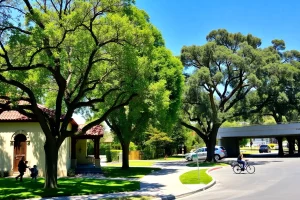
Historic districts like Professorville and the Ramona Street Architectural District foster a strong sense of community identity. The consistent architectural character, mature tree canopy, and pedestrian-friendly streetscapes create a unique sense of place that distinguishes Palo Alto from generic suburban development. This identity attracts residents, businesses, and tourists, contributing to the city’s vibrant cultural life.
Challenges
Development Pressure and Demolition
Palo Alto’s real estate market is among the most expensive in the nation, creating intense pressure to demolish older, smaller homes in favor of larger, modern residences. This “teardown” trend threatens the integrity of historic neighborhoods, particularly in areas like Old Palo Alto and Crescent Park. While the city’s demolition review process provides a check, it does not guarantee preservation. Between 2015 and 2023, the city lost several Category 2 and 3 historic homes to demolition, prompting calls for stronger protections.
Balancing Modernization with Preservation
Owners of historic properties often face the challenge of updating their homes to meet contemporary standards for energy efficiency, accessibility, and living space while respecting historic character. Installing solar panels, replacing windows, or adding a second story can trigger design review and may be restricted. The HRB and planning staff work with applicants to find creative solutions, but the process can be time-consuming and costly.
Underrepresentation of Diverse Histories
Like many preservation programs nationwide, Palo Alto’s early inventories focused heavily on architect-designed homes of prominent white residents. The stories of the city’s Japanese, Chinese, African American, and Latino communities, as well as its working-class neighborhoods, are underrepresented. The city has begun to address this gap through thematic surveys, such as the 2020 “Palo Alto’s Diverse Heritage” study, which identified sites associated with the civil rights movement, early immigrant communities, and the once-thriving African American neighborhood of “The Willows.” However, much work remains to ensure the inventory reflects the full breadth of the city’s history.
Climate Change and Natural Hazards
Historic structures are vulnerable to earthquakes, flooding, and wildfire. Palo Alto’s location in a seismically active region means that unreinforced masonry buildings and older wood-frame structures may require costly seismic retrofits. The city offers limited financial assistance, and owners must navigate complex engineering and preservation standards to protect both life safety and historic fabric.
Best Practices
Conducting a Historic Resource Survey
A thorough survey is the foundation of any preservation program. Palo Alto’s best practice involves a multi-year, phased approach that combines archival research, field documentation, and community engagement. The 2011 citywide survey used a team of architectural historians who evaluated over 10,000 parcels, resulting in the identification of hundreds of new Mid-Century Modern resources. Future surveys should continue to focus on underrepresented themes and post-1965 resources as they reach the 50-year threshold for eligibility.
Applying the Secretary of the Interior’s Standards
All work on historic properties in Palo Alto is reviewed against the Secretary of the Interior’s Standards for Rehabilitation. These ten standards emphasize preserving character-defining features, repairing rather than replacing historic materials, and making additions that are compatible but differentiated from the original. For example, a recent addition to a 1920s Tudor Revival home in Professorville used a contemporary glass link to connect the old and new volumes, a solution praised by the HRB for its clarity and respect for the historic structure.
Leveraging the Mills Act
Property owners are encouraged to explore Mills Act contracts early in the planning process. A successful application requires a detailed maintenance plan and a commitment to a 10-year rolling contract. The tax savings can be substantial, often offsetting the costs of restoration. The city provides pre-application workshops and a clear checklist to guide owners through the process.
Community Engagement and Education
Palo Alto’s preservation success relies on an informed and engaged public. The Palo Alto Historical Association offers walking tours, lectures, and a research archive. The city’s Historic Inventory Map is an interactive online tool that allows anyone to explore designated properties. Annual events like Historic Preservation Month in May feature open houses and educational programs. These efforts build a constituency for preservation and demystify the regulatory process.
“Palo Alto’s preservation program stands out for its integration of technology and community storytelling. The interactive inventory map is a model for other cities, but the real magic happens when residents connect with the layers of history beneath their own streets. Preservation here is not just about architecture; it’s about understanding how this place became the crucible of innovation.”
— Dr. Eleanor Vance, Architectural Historian and author of Silicon Valley’s Built Legacy
Tools & Resources
Palo Alto Historic Inventory Map
The city’s online Historic Inventory Map is the primary tool for researching designated properties. It provides parcel-level data, including inventory category, architectural style, date of construction, and architect. Users can search by address, neighborhood, or style. The map is updated regularly and is essential for homeowners, real estate professionals, and researchers.
Palo Alto Historical Association Archives
Located at the Cubberley Community Center, the association’s archives contain photographs, building permits, city directories, and oral histories. It is an invaluable resource for property owners preparing historic designation applications or researching the history of their homes.
California Office of Historic Preservation (OHP)
The OHP provides guidance on state-level designation, the California Register, and CEQA compliance. Its website includes databases, technical assistance bulletins, and information on tax incentives.
National Park Service Preservation Briefs
These illustrated guides cover a wide range of topics, from repairing historic wood windows to rehabilitating historic storefronts. They are the authoritative source for technical preservation standards and are frequently referenced by the HRB.
Local Preservation Consultants
A network of qualified architectural historians, preservation architects, and structural engineers specialize in historic properties in Palo Alto. The city maintains a list of consultants familiar with local regulations and the Secretary’s Standards.
Future Trends
Recognizing Mid-Century Modern and Postmodern Resources
As properties from the 1950s, 60s, and 70s reach the 50-year mark, Palo Alto is grappling with the preservation of its Mid-Century Modern and Brutalist heritage. Buildings like the Palo Alto City Hall (1970, Edward Durell Stone) and the Xerox PARC facility (1970s) are now eligible for consideration. The 2011 survey laid the groundwork, but future updates will need to evaluate these resources more comprehensively, balancing architectural significance with the challenges of aging building systems and changing functional needs.
Addressing Equity and Inclusion
The preservation movement in Palo Alto is increasingly focused on telling a more complete story. Future surveys will prioritize sites associated with the city’s Japanese-American community, the African American experience in the Willows and East Palo Alto (historically linked), and the contributions of women and immigrant groups. The city is also exploring the designation of cultural landscapes, such as the former agricultural lands of the Ohlone people and the historic orchards that once covered the valley.
Climate Resilience and Sustainable Preservation
Integrating climate adaptation into preservation practice is a growing priority. The city is developing guidelines for elevating historic structures in flood-prone areas, fire-hardening materials, and seismic retrofits that meet both safety and preservation standards. The concept of “resilient rehabilitation”—upgrading historic buildings to withstand natural hazards while retaining their character—will shape future policy.
Digital Documentation and Virtual Access
Advances in 3D laser scanning, photogrammetry, and virtual reality are transforming how historic resources are documented and interpreted. Palo Alto is exploring partnerships with Stanford University’s Digital Humanities program to create high-fidelity digital twins of significant landmarks. These tools will enhance public access, support research, and provide a baseline for future restoration work.
Conclusion
Historic preservation in Palo Alto is a dynamic and evolving field that reflects the city’s unique identity as a place where the past and future coexist. From the Victorian homes of Professorville to the sleek lines of Mid-Century Modern office parks, the built environment tells a story of innovation, resilience, and community. The city’s robust inventory, dedicated Historic Resources Board, and engaged citizenry provide a strong foundation for protecting this legacy. As Palo Alto faces the challenges of growth, climate change, and the need for a more inclusive history, its preservation program will continue to adapt, ensuring that the landmarks of yesterday inspire the innovations of tomorrow.
FAQ
What is the Palo Alto Historic Inventory?
The Palo Alto Historic Inventory is a comprehensive list of buildings, structures, sites, and districts evaluated for historical significance. It categorizes resources into three tiers: Category 1 (Exceptional, eligible for National Register), Category 2 (Notable, eligible for California Register), and Category 3 (Contributing to a historic district).
How does the Mills Act benefit property owners?
The Mills Act allows owners of qualified historic properties to enter into a contract with the city, agreeing to maintain and preserve the property in exchange for a significant reduction in property taxes—often 40% to 60% of the assessed value.
What is the role of the Historic Resources Board?
The HRB is a seven-member advisory body appointed by the City Council. It reviews applications for alterations, additions, and demolitions of historic properties, makes recommendations on historic district designations, and oversees updates to the Historic Inventory, guided by the Secretary of the Interior's Standards.
How are properties designated as historic in Palo Alto?
Properties are evaluated through citywide surveys and added to the Palo Alto Historic Inventory. They may also be listed on the California Register or National Register. Designation can be initiated by the owner, the HRB, or the City Council, and involves a review of historical significance and integrity.
What are the different categories in the inventory?
Category 1 includes exceptional resources individually eligible for the National Register. Category 2 includes notable resources eligible for the California Register. Category 3 includes contributing resources that add to the character of a historic district but are not individually eligible.
Leave a Reply