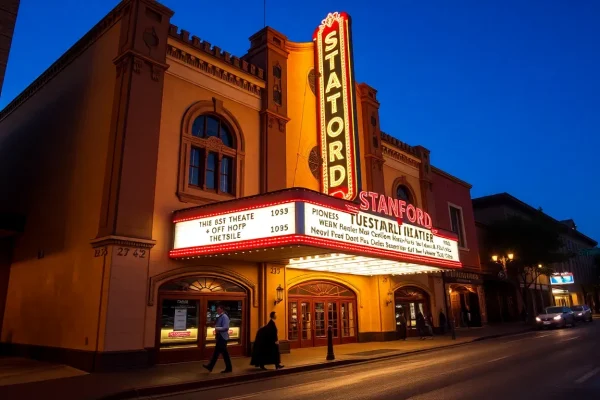
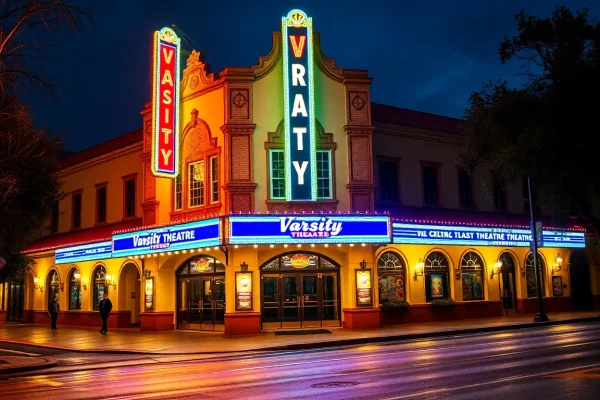
The Stanford Theatre: A Living Museum of Classic Cinema in Palo Alto

The Stanford Theatre is a meticulously restored 1925 movie palace in Palo Alto, California, dedicated to screening classic Hollywood films on 35mm and nitrate stock. With its original Wurlitzer organ, Spanish Colonial Revival architecture, and a programming philosophy that treats film as a cultural treasure, it stands as one of the world’s premier repertory cinemas and a beloved landmark of the Silicon Valley region.
Read More →

The Roth Building: A Spanish Colonial Revival Icon in Downtown Palo Alto

The Roth Building, a 1932 Spanish Colonial Revival masterpiece by architect Birge Clark, stands as a cornerstone of downtown Palo Alto’s architectural and commercial heritage. Originally housing the Roth Department Store, its iconic tower and arched loggia have made it a beloved landmark. Today, it continues to anchor the vibrant streetscape, embodying the city’s evolution from a small college town to a global innovation hub.

Read More →

Old Palo Alto Neighborhood Guide: History, Architecture, and Local Life

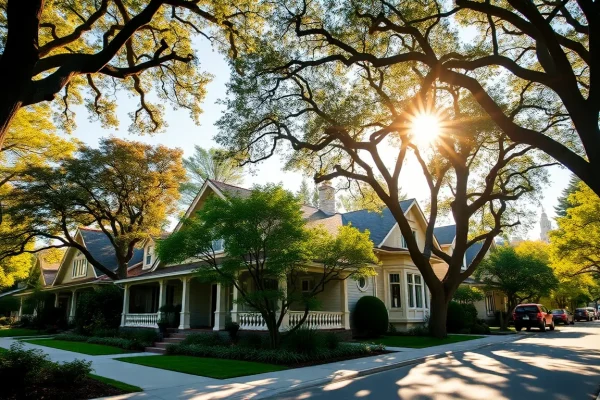
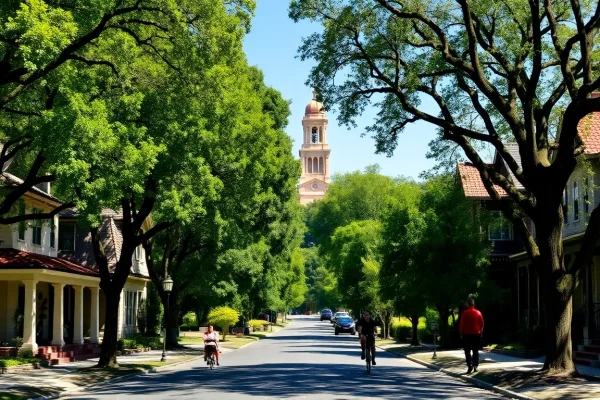
Old Palo Alto is a historic, tree-lined residential neighborhood prized for its early 20th-century architecture, top-rated schools, and serene, walkable streets. Bounded by Alma Street, Middlefield Road, Embarcadero Road, and Oregon Expressway, it offers a blend of Craftsman, Colonial Revival, and Spanish Eclectic homes on generous lots. Ideal for families and those seeking a quiet, established community with easy access to downtown Palo Alto, Stanford University, and excellent parks.

Read More →

Professorville Historic District: A Living Chronicle of Palo Alto’s Academic and Architectural Heritage

Step into Professorville, a National Register historic district in Palo Alto, where tree-lined streets showcase one of California’s finest collections of early 20th-century Craftsman and Colonial Revival homes. Built by Stanford University’s pioneering faculty, this walkable neighborhood offers an intimate glimpse into the intellectual and architectural currents that shaped Silicon Valley’s earliest days.

Read More →

Palo Alto Caltrain Station: A Streamline Moderne Gateway to Silicon Valley’s Past and Present

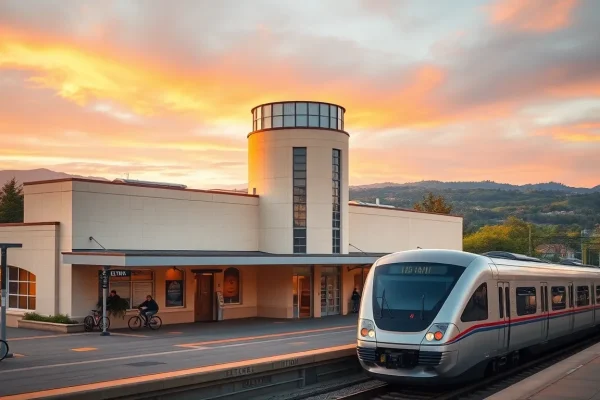
The Palo Alto Caltrain Station, a 1940 Streamline Moderne masterpiece, stands as a living monument to the railroad’s role in shaping Stanford University and Silicon Valley. This meticulously preserved depot blends Art Deco elegance with modern transit functionality, serving as a vital link for commuters and a cherished landmark on the National Register of Historic Places.

Read More →

From Dusty Trail to Tech Corridor: The Evolution of University Avenue

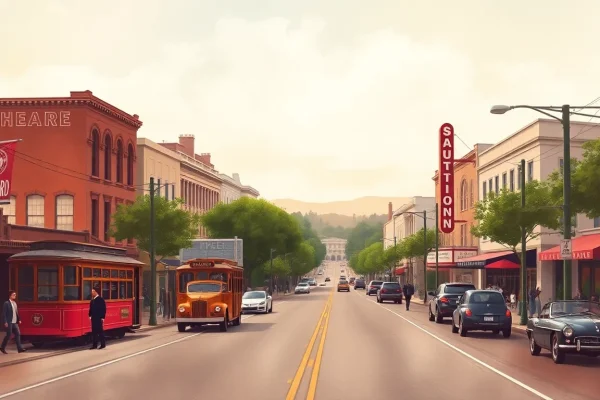
Once a dirt path connecting a fledgling university to a temperance town, University Avenue has been the central artery of Palo Alto’s transformation. This article traces its journey from the Ohlone era through railroad booms, the 1906 earthquake, mid-century decline, and rebirth as a high-end retail and venture capital hub, revealing how a single street can embody the layered history of a region.

Read More →

The Annexation of Mayfield: How a Rowdy Railroad Town Became Palo Alto’s California Avenue District

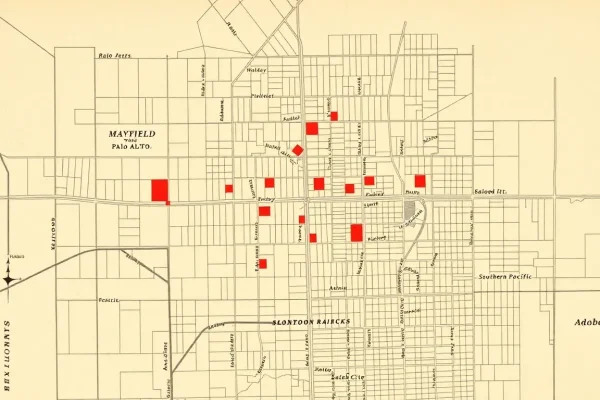
The annexation of Mayfield by Palo Alto in 1925 erased a fiercely independent railroad town known as ‘Whiskey Gulch’ from the map, but its saloons, street grid, and civic pride still echo through the California Avenue business district. This article traces the decades-long struggle over temperance, taxation, and identity that culminated in a contentious vote and the quiet absorption of one of Santa Clara County’s most colorful lost communities.

Read More →

Palo Alto and the 1906 Earthquake: Shattered Spires and a Community Reforged

On April 18, 1906, the great San Francisco earthquake sent shockwaves through the quiet college town of Palo Alto, collapsing the architectural ambitions of Stanford University and killing two residents. Yet from the rubble emerged a resilient partnership between town and gown, a revolution in building practices, and a renewed sense of purpose that would eventually transform the region into a global center of innovation. This article examines the local impact, the immediate response, and the lasting legacy of the disaster.

Read More →

Hewlett-Packard Garage: Birthplace of Silicon Valley and a Testament to Innovation

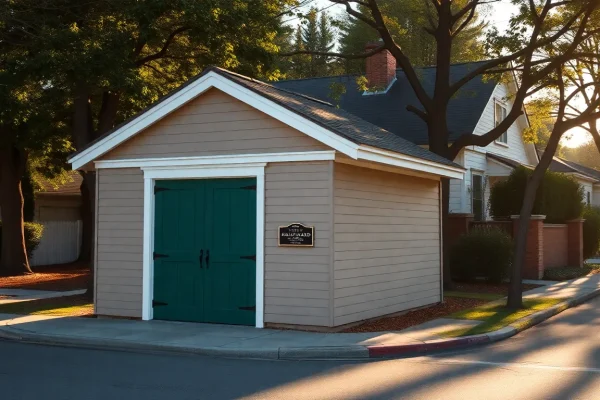
Discover the humble one-car garage at 367 Addison Avenue in Palo Alto, California, where Bill Hewlett and David Packard launched a global technology empire in 1939. This unassuming structure is revered as the birthplace of Silicon Valley, symbolizing the entrepreneurial spirit that transformed a quiet suburban street into the epicenter of the digital age. A designated California Historical Landmark and National Register site, the HP Garage remains a pilgrimage destination for tech enthusiasts and historians alike.

Read More →