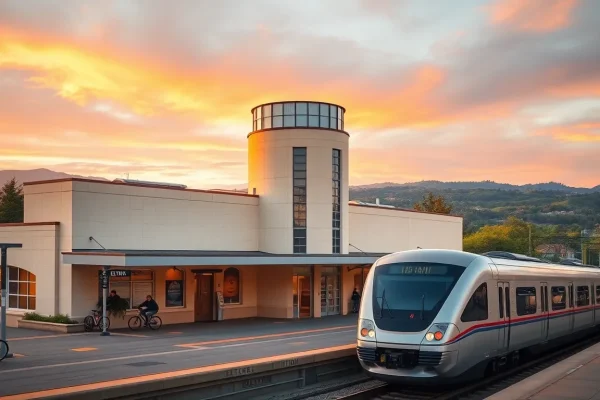
Palo Alto Caltrain Station: A Streamline Moderne Gateway to Silicon Valley’s Past and Present

The Palo Alto Caltrain Station, a 1940 Streamline Moderne masterpiece, stands as a living monument to the railroad’s role in shaping Stanford University and Silicon Valley. This meticulously preserved depot blends Art Deco elegance with modern transit functionality, serving as a vital link for commuters and a cherished landmark on the National Register of Historic Places.
Read More →

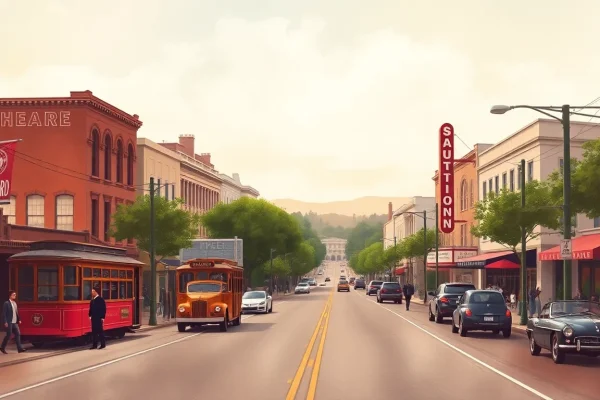
From Dusty Trail to Tech Corridor: The Evolution of University Avenue

Once a dirt path connecting a fledgling university to a temperance town, University Avenue has been the central artery of Palo Alto’s transformation. This article traces its journey from the Ohlone era through railroad booms, the 1906 earthquake, mid-century decline, and rebirth as a high-end retail and venture capital hub, revealing how a single street can embody the layered history of a region.

Read More →

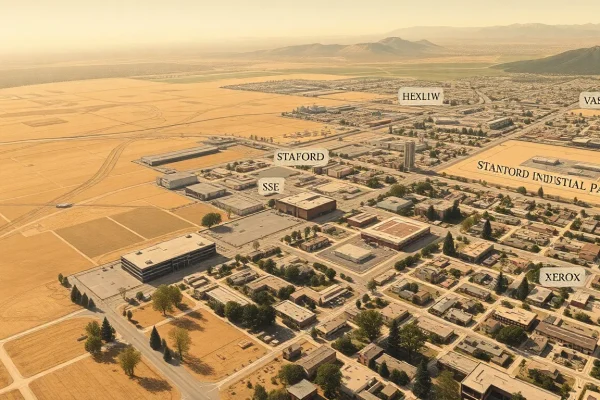
The Stanford Industrial Park: How a University’s Land Experiment Engineered Silicon Valley

In 1951, Stanford University leased a corner of its sprawling land holdings to a fledgling electronics firm, igniting a transformation that would turn the Santa Clara Valley from the ‘Valley of Heart’s Delight’ into the global epicenter of technology. The Stanford Industrial Park became the physical and symbolic heart of Silicon Valley, a carefully planned landscape where university research, venture capital, and corporate innovation fused into a new model of economic development. Its legacy is etched not only in the semiconductor chips and software that emerged from its low-slung buildings, but in the very pattern of suburban office parks, car-dependent commutes, and the displacement of agricultural communities that followed.

Read More →

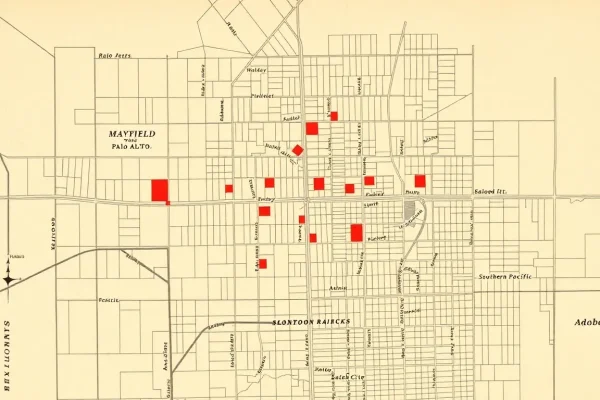
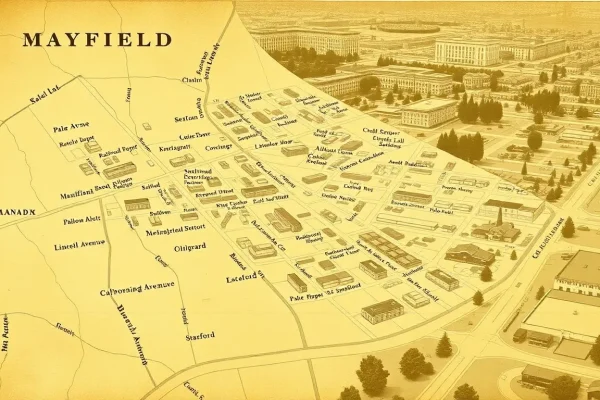
The Annexation of Mayfield: How a Rowdy Railroad Town Became Palo Alto’s California Avenue District

The annexation of Mayfield by Palo Alto in 1925 erased a fiercely independent railroad town known as ‘Whiskey Gulch’ from the map, but its saloons, street grid, and civic pride still echo through the California Avenue business district. This article traces the decades-long struggle over temperance, taxation, and identity that culminated in a contentious vote and the quiet absorption of one of Santa Clara County’s most colorful lost communities.

Read More →

Palo Alto and the 1906 Earthquake: Shattered Spires and a Community Reforged

On April 18, 1906, the great San Francisco earthquake sent shockwaves through the quiet college town of Palo Alto, collapsing the architectural ambitions of Stanford University and killing two residents. Yet from the rubble emerged a resilient partnership between town and gown, a revolution in building practices, and a renewed sense of purpose that would eventually transform the region into a global center of innovation. This article examines the local impact, the immediate response, and the lasting legacy of the disaster.

Read More →

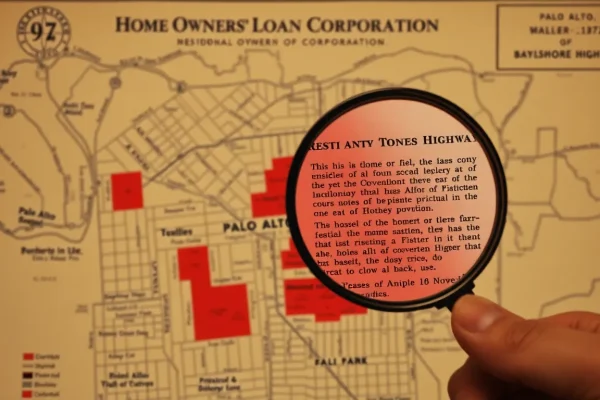
The Color of Suburbia: A History of Housing Segregation in Palo Alto

Palo Alto’s carefully cultivated image as a progressive, meritocratic community belies a century-long history of racial exclusion in housing. From restrictive covenants and federal redlining to exclusionary zoning and urban renewal, this article traces the deliberate policies and practices that segregated the city and shaped the racial geography of the mid-Peninsula, creating a legacy that persists in the region’s contemporary housing crisis.

Read More →

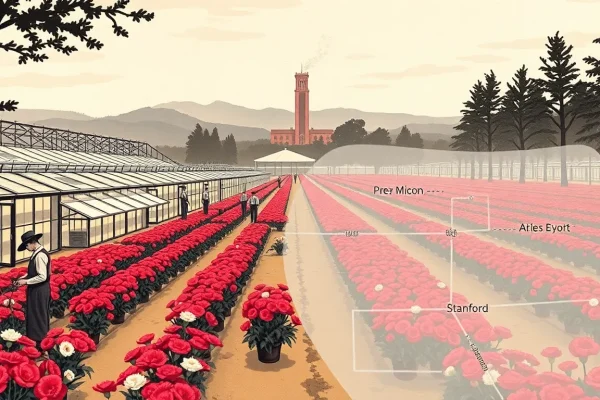
The Japanese American Community of Palo Alto: From Blossoming Nurseries to Post-War Resilience

A comprehensive history of the Japanese American community in Palo Alto, tracing its origins in early 20th-century agriculture, the devastating impact of World War II incarceration, and the enduring legacy of the Buddhist Temple and cultural institutions that continue to shape the city’s identity.

Read More →

The History of Xerox PARC: The Laboratory That Invented the Future but Missed the Revolution

Founded in 1970 as the research and development arm of Xerox Corporation, the Palo Alto Research Center (PARC) became the birthplace of the modern personal computer, graphical user interface, Ethernet, and laser printing. Despite its unparalleled generation of breakthrough technologies, PARC is often remembered for Xerox’s failure to commercialize them—a narrative that obscures the lab’s profound and lasting impact on Silicon Valley and the digital world. This article traces the institution’s origins, its golden age of creativity, and its complex legacy.

Read More →

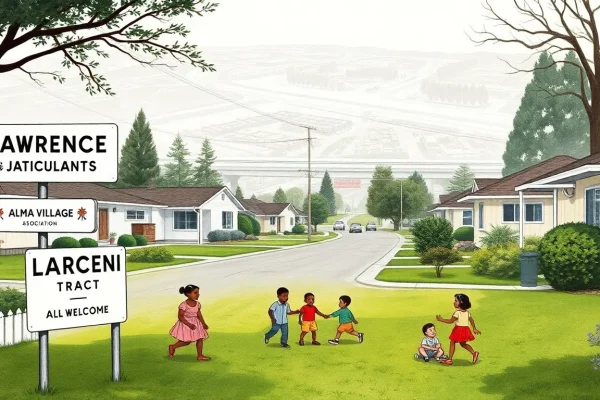
The Lawrence Tract Experiment: Palo Alto’s Forgotten Vision of Integrated Suburban Living

In the mid-1950s, a bold experiment in racial integration took root on a former orchard at the edge of Palo Alto. The Lawrence Tract was designed as a model interracial community, but its promise was eroded by blockbusting, white flight, and eventual redevelopment. This is the story of a neighborhood that dared to defy segregation and the forces that ultimately unmade it.

Read More →

Mayfield: The Town Palo Alto Annexed

Before it became the California Avenue business district, Mayfield was a fiercely independent railroad and saloon town that resisted the dry ambitions of Stanford University and Palo Alto for decades. Its 1925 annexation erased a distinct municipal identity, but the streets, buildings, and memories of the vanished community still shape the landscape of south Palo Alto.

Read More →