Short Answer
Where is Midtown Palo Alto?
Midtown is a centrally located residential neighborhood in Palo Alto, California, occupying the flatlands south of the Oregon Expressway. It is one of the city’s most recognizable post-war subdivisions, prized for its quiet streets, mature canopy, and architectural cohesion. The neighborhood sits roughly halfway between downtown Palo Alto and the southern city limits, providing residents with easy access to both employment centers and recreational open spaces. Its name reflects its geographic position within the city, though it is distinctly a product of the 1950s suburban expansion rather than a historic core.
Boundaries and map
Midtown’s boundaries are generally defined by major infrastructure and natural features. The northern edge is formed by the Oregon Expressway (a key east-west arterial), while the southern boundary is Loma Verde Avenue. To the west, the neighborhood is bordered by Middlefield Road, and to the east, by U.S. Highway 101. This rectangular area encompasses approximately 1.5 square miles of primarily flat terrain. The neighborhood is bisected by Colorado Avenue, which serves as a central spine, and is internally gridded with wide, residential streets. A detailed map is available on the City of Palo Alto’s Neighborhoods page.
Character of the neighborhood
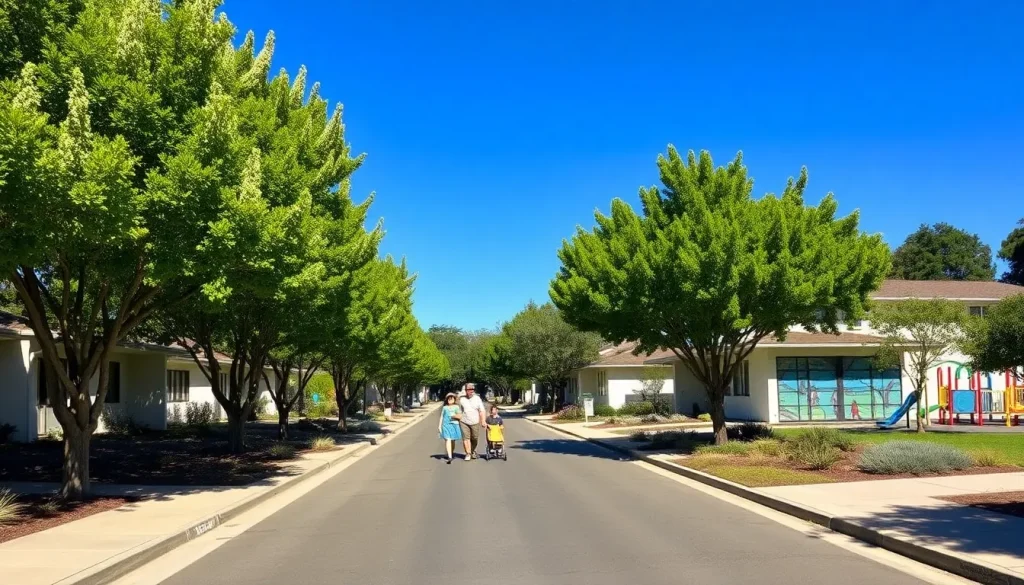
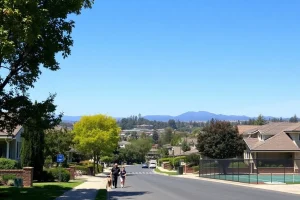
Midtown is defined by its serene, family-oriented atmosphere and strong architectural identity. The streets are exceptionally wide, lined with mature trees, and often feature landscaped medians. The dominant housing stock—mid-century modern homes built by Joseph Eichler—gives the area a distinctive aesthetic of clean lines, open floor plans, and indoor-outdoor living. The neighborhood is quiet, with low traffic on interior streets, and has a palpable sense of community. Residents are often seen walking dogs, pushing strollers, or cycling to nearby parks and the Midtown Shopping Center. The area attracts a mix of long-time owners, young families drawn by the schools, and tech professionals seeking a suburban retreat within the city.
History
Midtown’s history is a classic story of post-World War II suburbanization. Before the 1950s, the area was largely agricultural land, part of the vast orchards and fields that once characterized the Santa Clara Valley. As Palo Alto’s population boomed with the rise of Stanford University and early technology firms, demand for family housing surged. Developer Joseph Eichler recognized the potential and, between 1950 and 1954, built approximately 600 homes in the neighborhood, creating one of the largest contiguous Eichler tracts in the Bay Area. These homes, with their post-and-beam construction, radiant heating, and atriums, embodied the optimism of the era. The neighborhood was marketed to returning veterans and young professionals, and it quickly filled with families. The Midtown Shopping Center, anchored by a supermarket, opened in the 1950s to serve the new community. Over the decades, Midtown has retained its architectural integrity, with many homes lovingly preserved or thoughtfully updated, and it was designated as a historic district by the city in 2017 to protect its mid-century character.
Housing and architecture
Midtown is synonymous with Eichler homes. These mid-century modern residences are characterized by low-sloping or flat roofs with wide overhangs, floor-to-ceiling windows, open-plan living areas, and a seamless connection to private outdoor spaces, often through a central atrium. The typical lot size is around 6,000 to 8,000 square feet, with homes ranging from 1,200 to 2,000 square feet, though many have been expanded. In addition to Eichlers, there are a smaller number of ranch-style homes and some newer infill construction, but strict design guidelines help maintain the neighborhood’s visual cohesion. The area is almost exclusively single-family residential, with very few multi-family units. Home prices reflect the desirability of the location and the architectural cachet, typically ranging from $2.5 million to over $4 million. The neighborhood’s flat terrain and wide streets also make it accessible and appealing for all ages.
Parks and natural features
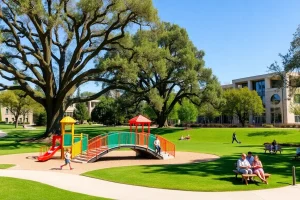
Midtown is well-served by several neighborhood parks that act as community hubs. Hoover Park, located on Hoover Drive, features a playground, tennis courts, a basketball court, and a large grassy field ideal for soccer and picnics. Greer Park on Amarillo Avenue offers a popular children’s playground, a community garden, and shaded walking paths. Henry W. Seale Park is a smaller, quieter space with a tot lot and benches. Ramos Park provides additional open space and a play area. The neighborhood’s tree canopy is a defining natural feature, with streets lined by liquidambars, oaks, and redwoods that provide shade and color. The flat, walkable layout encourages outdoor activity, and the nearby Baylands Nature Preserve is a short drive away for more extensive hiking and birdwatching.
Schools and community facilities
Midtown is served by the highly acclaimed Palo Alto Unified School District (PAUSD). The local elementary school is Hoover Elementary, a California Distinguished School known for its strong parent involvement and academic programs. Most students then attend J.L. Stanford Middle School (JLS) and Palo Alto High School (Paly), both consistently ranked among the top public schools in the state. Private school options are also available nearby. The Midtown Residents Association (MRA) is an active community group that organizes events, publishes a newsletter, and advocates on neighborhood issues. The Palo Alto Family YMCA on Ross Road is just outside the neighborhood and offers fitness facilities, swimming, and youth programs. The Mitchell Park Library and Community Center, a state-of-the-art facility, is located a short distance south and provides a wealth of resources and activities.
Transportation and walkability
Midtown is a pedestrian- and bike-friendly neighborhood. Wide sidewalks and flat terrain make walking pleasant, and dedicated bike lanes on major streets like Middlefield Road and Colorado Avenue connect to the city’s broader cycling network. For public transit, the California Avenue Caltrain station is about 1.5 miles west, providing commuter rail service to San Francisco and San Jose. Several VTA bus lines run along Middlefield Road and Oregon Expressway. The neighborhood’s proximity to Highway 101 offers quick vehicular access to the rest of Silicon Valley, though rush-hour traffic on the expressway and freeway can be heavy. Most daily errands can be accomplished on foot or by bike, contributing to a high quality of life.
Shops and everyday services
The Midtown Shopping Center at the corner of Middlefield Road and Colorado Avenue is the neighborhood’s commercial heart. Anchored by a grocery store (currently a Safeway), it also includes a pharmacy, a hardware store, several restaurants and cafes, a dry cleaner, and a yoga studio. The center has a retro charm and serves as an informal gathering place. Additional retail and dining options are found along Middlefield Road to the north and south, and the vibrant California Avenue district with its farmers’ market, independent shops, and restaurants is a short bike ride away. For larger shopping trips, the Stanford Shopping Center and downtown Palo Alto are within a 10-minute drive.
Notable landmarks
While Midtown lacks grand civic monuments, its landmark is the Eichler housing stock itself. The neighborhood is a living museum of mid-century modern residential design, and architecture enthusiasts often drive or walk through to admire the homes. The Midtown Shopping Center sign, with its vintage lettering, is a recognizable local icon. Hoover Park and its community center are central to neighborhood life. The Oregon Expressway underpass murals at Ross Road and other crossings add public art to the landscape. The neighborhood’s streets, with their distinctive wide medians and mature trees, are also considered a defining feature.
Current planning issues
Midtown faces several ongoing planning discussions. Historic preservation remains a key topic, as the city’s historic district designation imposes design guidelines that some homeowners find restrictive when planning renovations or additions. The tension between preserving mid-century character and allowing for modern upgrades is a constant dialogue. Accessory Dwelling Units (ADUs) are increasingly popular, raising questions about lot coverage, privacy, and parking. Traffic calming on streets like Colorado Avenue and Greer Road is a recurring concern, with residents advocating for measures to reduce cut-through traffic. Tree preservation and the management of the urban canopy, particularly during drought years, is another active issue. The Oregon Expressway corridor is subject to long-term planning studies that could affect noise and air quality for northern Midtown residents.
What residents should know
Living in Midtown comes with a strong sense of community and an expectation of stewardship. The Midtown Residents Association is a vital resource for newcomers. The neighborhood is subject to the Midtown Historic District regulations, so any exterior changes to homes require review by the city’s Historic Resources Board. Street sweeping occurs twice a month, and parking enforcement is active. The area is served by the Palo Alto Police Department and the Palo Alto Fire Department, with Station 4 located on Middlefield Road. The neighborhood is generally very safe, but residents are advised to be mindful of property crime, as is common throughout the region. The flat terrain and mild climate make it ideal for gardening, and many residents take pride in their drought-tolerant landscaping. The sound of the Caltrain horn can be heard in the western parts of the neighborhood, though it is not intrusive for most.
Nearby neighborhoods
| Neighborhood | Distance | Key Characteristics |
|---|---|---|
| Downtown Palo Alto | 1.5 miles north | Urban core, high-end retail, restaurants, Caltrain station, historic homes |
| South Palo Alto | Adjacent south | Similar residential feel, Eichler homes, Mitchell Park, Gunn High School area |
| Ventura | 0.5 miles west | Quiet residential, smaller post-war homes, proximity to California Avenue |
| Palo Verde | Adjacent east | 1950s ranch homes, access to Baylands, more affordable entry point |
“Midtown is not just a collection of houses; it’s a living laboratory of mid-century modern community planning, where the ideals of indoor-outdoor living and neighborhood connectivity were built into every street and home.” — Palo Alto Historical Association curator
FAQ
What makes Midtown Palo Alto unique compared to other Palo Alto neighborhoods?
Midtown is distinguished by its exceptional concentration of intact Joseph Eichler mid-century modern homes, creating a cohesive architectural character unlike any other area in the city. Its wide, tree-lined streets, strong family-oriented community, and proximity to top-rated schools and parks further set it apart as a highly desirable suburban enclave within the urban fabric of Palo Alto.
Is Midtown Palo Alto a walkable neighborhood?
Yes, Midtown is very walkable and bike-friendly. The flat terrain, wide sidewalks, and dedicated bike lanes make it easy to get around without a car. The Midtown Shopping Center is within walking distance for most residents, and the California Avenue Caltrain station and business district are a short bike ride away. However, a car is still convenient for commuting to other parts of Silicon Valley or for larger shopping trips.
What are the public school options for Midtown residents?
Students in Midtown typically attend Hoover Elementary School, J.L. Stanford Middle School (JLS), and Palo Alto High School (Paly), all part of the top-ranked Palo Alto Unified School District. These schools are known for their academic excellence, strong extracurricular programs, and high levels of parent involvement. Some families may also choose nearby private schools or apply for transfer to other PAUSD schools.
Are there any restrictions on remodeling homes in Midtown?
Yes, because Midtown is a designated historic district, any exterior alterations to homes—including changes to windows, rooflines, materials, and additions visible from the street—must be reviewed and approved by the City of Palo Alto's Historic Resources Board. The guidelines aim to preserve the mid-century modern character of the neighborhood, which can add time and cost to renovation projects but also protects property values and the area's unique aesthetic.
Leave a Reply