
Short Answer
Where is Barron Park Neighborhood?
Barron Park is a distinctive residential neighborhood in the southwestern corner of Palo Alto, California. It sits in a transitional zone between the dense suburban development of the city and the open foothills of the Santa Cruz Mountains. The neighborhood is known for its unpretentious character, large lots, and a slower pace of life that feels a world apart from the tech campuses just a few miles away. Its location provides easy access to both the Stanford University area and the commercial corridors of El Camino Real, while maintaining a quiet, almost rural atmosphere.
Boundaries and map
The generally accepted boundaries of Barron Park are:
- North: Page Mill Road
- South: Arastradero Road (the border with Los Altos Hills)
- East: El Camino Real
- West: Foothill Expressway
This rectangular area places Barron Park directly south of the Stanford Research Park and west of the Ventura neighborhood. The map reveals a network of winding streets that break from the strict grid pattern found in much of Palo Alto, a legacy of its independent, unincorporated past.
Character of the neighborhood
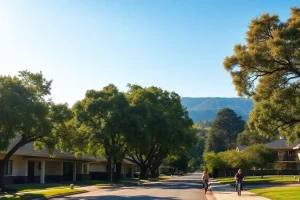
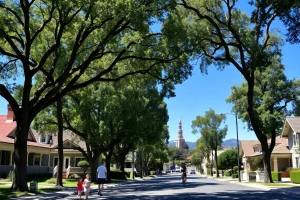
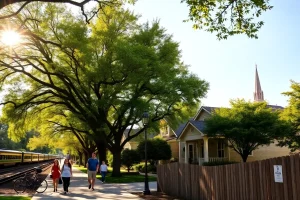
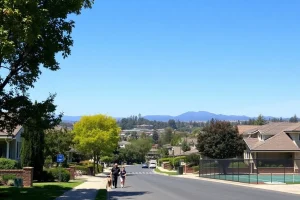
Barron Park is defined by its semi-rural, equestrian-friendly character. Unlike the manicured uniformity of some Palo Alto neighborhoods, Barron Park embraces a more eclectic and relaxed aesthetic. Streets are often lined with mature oaks and redwoods, and it is not uncommon to see residents tending to large gardens, keeping chickens, or even riding horses. The neighborhood has a strong sense of community identity, fiercely guarded by its residents, who successfully fought to preserve its unique character during the incorporation into Palo Alto. The presence of the iconic Barron Park donkeys, grazing in their pasture at Bol Park, serves as a living symbol of this rural heritage.
History
The area now known as Barron Park was originally part of the Rancho Rincon de San Francisquito, a Mexican land grant. In the 19th century, it was a vast agricultural expanse. The modern neighborhood traces its roots to the early 20th century when the land was subdivided for small farms and estates. A pivotal moment came in the 1950s and 1960s when Palo Alto sought to annex the area. Residents fiercely resisted, wanting to preserve their semi-rural lifestyle and avoid the urbanization they saw sweeping across the rest of the city. This led to a protracted legal and political battle, with the community even incorporating as the independent town of Barron Park for a brief period. The annexation was finally completed in stages, but the neighborhood negotiated special zoning ordinances to protect its unique character, including larger minimum lot sizes and allowances for keeping horses and other animals. This history of independence still shapes the community’s identity today.
Housing and architecture
Housing in Barron Park is diverse, reflecting its piecemeal development and the fiercely protected semi-rural zoning. You will find a mix of:
- Original ranch-style homes from the 1940s and 1950s, often on large lots of a third of an acre or more.
- Eichler homes: A notable concentration of mid-century modern Eichler houses, particularly in the Greenmeadow tract, known for their post-and-beam construction, glass walls, and open floor plans.
- Custom-built homes: Many original smaller homes have been expanded or replaced with larger, modern custom residences, though the neighborhood’s design guidelines encourage a scale and style that respects the existing character.
- Equestrian properties: A unique feature is the presence of homes with stables, corrals, and direct access to riding trails, a rarity in Palo Alto.
Home prices are among the highest in the city, driven by the large lots, excellent schools, and the neighborhood’s distinct charm. The median home price typically exceeds $3 million, with larger properties and those with equestrian facilities commanding a significant premium.
Parks and natural features
Barron Park is blessed with abundant green space and a direct connection to nature.
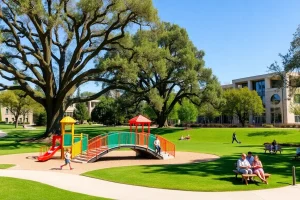
- Bol Park: The heart of the community, this 6.5-acre park features a grassy meadow, a children’s playground, a bike path, and the famous donkey pasture, home to Perry and Niner, the Barron Park donkeys.
- Juana Briones Park: A 7.5-acre park with a playground, tennis courts, a baseball field, and picnic areas, named after the pioneering woman who once owned a large rancho in the area.
- Barron Park Nature Preserve: A small, volunteer-maintained native plant garden and habitat area.
- Foothills Park connection: While not within the neighborhood boundaries, the entrance to Palo Alto’s vast Foothills Park is just a short drive or bike ride away, offering miles of hiking trails and panoramic views.
Mature oak, redwood, and eucalyptus trees canopy many streets, contributing to the neighborhood’s lush, established feel.
Schools and community facilities
Barron Park is served by the highly regarded Palo Alto Unified School District. The local elementary schools are Juana Briones Elementary and Barron Park Elementary, both of which feed into Terman Middle School and then Gunn High School. Gunn High is consistently ranked among the top public high schools in California. The neighborhood also has a strong network of community facilities, including the Barron Park Community Center, which hosts events and meetings, and the Barron Park Association, a very active neighborhood organization that publishes a regular newsletter and advocates for residents’ interests.
Transportation and walkability
Barron Park is primarily a car-dependent neighborhood, though it offers some excellent options for cyclists and pedestrians. The Foothill Expressway bike path runs along the western edge, providing a direct, car-free route to Stanford and the hills. El Camino Real is served by VTA bus lines. Walkability is moderate; the neighborhood’s large blocks and winding streets mean that a walk to the grocery store can be a trek, but the quiet, scenic streets are a pleasure for recreational walking. The Page Mill Road and Oregon Expressway corridors provide quick vehicular access to Highway 101 and Interstate 280.
Shops and everyday services
Barron Park itself is almost entirely residential, with no commercial district of its own. Residents rely on nearby shopping areas:
- El Camino Real: The eastern boundary is lined with grocery stores (including a Trader Joe’s and a Mollie Stone’s), pharmacies, restaurants, and other services.
- Charleston Shopping Center: A short drive south on El Camino, this center offers a larger supermarket, hardware store, and more.
- California Avenue District: To the north, the Cal Ave area provides a charming, walkable main street with independent shops, cafes, and a weekly farmers’ market.
Notable landmarks
The most famous landmark is undoubtedly the Barron Park Donkey Pasture in Bol Park. The donkeys, currently Perry and Niner, are beloved local celebrities with their own volunteer caretaker program and a dedicated following. Another landmark is the Juana Briones House site, though the original adobe was demolished, the park and interpretive signage commemorate her legacy. The Greenmeadow Eichler tract is a landmark of mid-century modern architecture, attracting design enthusiasts.
Current planning issues
The primary planning concern in Barron Park is the ongoing pressure of redevelopment. The tension between preserving the neighborhood’s semi-rural, large-lot character and the demand for new, larger homes is a constant topic of discussion. The Barron Park Association actively monitors building proposals to ensure they comply with the special zoning ordinances. Another issue is traffic management, particularly on cut-through streets like La Selva Drive, as commuters seek shortcuts between El Camino Real and Foothill Expressway. The city’s housing element and plans for increased density along transit corridors are also watched closely by residents who fear encroachment on their neighborhood’s unique character.
What residents should know
Living in Barron Park comes with a few unique considerations. The neighborhood has a strong culture of volunteerism, especially around the donkeys and the community association. New residents are encouraged to join the Barron Park Association to stay informed. The large lots mean significant yard maintenance, and the area’s wildlife—including deer, raccoons, and the occasional mountain lion sighting—requires awareness. The neighborhood’s independent spirit means that change often happens slowly and only after extensive community input. Finally, the sound of a donkey braying is a normal and cherished part of the local soundscape.
Nearby neighborhoods
| Neighborhood | Distance | Key Characteristics |
|---|---|---|
| Ventura | Adjacent (east) | Grid-like streets, smaller lots, more urban feel, close to Midtown shopping |
| South Palo Alto (Midtown) | 1 mile east | Dense suburban, classic Eichler tracts, vibrant commercial on Middlefield |
| Los Altos Hills | Adjacent (south) | Affluent, large estates, equestrian focus, winding roads, no sidewalks |
| Stanford Campus | 1.5 miles north | University setting, world-class architecture, cultural amenities, open space |
“Barron Park is not just a place to live; it’s a state of mind. We have donkeys, we have history, and we have a community that truly cares. It’s the last little bit of old Palo Alto.” — A long-time Barron Park resident and donkey volunteer.
FAQ
What makes Barron Park different from other Palo Alto neighborhoods?
Barron Park stands out for its semi-rural, equestrian-friendly character, a result of special zoning ordinances negotiated during its annexation. It has larger minimum lot sizes, allows for keeping horses and other animals, and features winding streets and a strong community identity centered around the Barron Park donkeys and the active neighborhood association.
Are the Barron Park donkeys always visible?
The donkeys, Perry and Niner, are usually in their pasture at Bol Park during daylight hours, but they have a shelter and may be inside during inclement weather or for veterinary care. The best time to see them is on a sunny afternoon. A volunteer 'Donkey Handler' program ensures they are well cared for, and the community often gathers for special donkey-related events.
What are the public schools like in Barron Park?
Barron Park is served by the top-rated Palo Alto Unified School District. Students typically attend Juana Briones or Barron Park Elementary, then Terman Middle School, and finally Gunn High School, which is consistently ranked among the best public high schools in California. All schools are within a short drive or bike ride.
Is Barron Park walkable to shops and restaurants?
The neighborhood itself is almost entirely residential, so daily errands usually require a car or bike. However, the eastern edge along El Camino Real has grocery stores, pharmacies, and restaurants within walking distance for some residents. The California Avenue shopping district is about a mile north and is a popular destination for a walkable main street experience.
Leave a Reply