Short Answer
Introduction
Palo Alto, nestled in the heart of Silicon Valley, is often celebrated for its tech innovation and world‑class universities. Yet the city’s daily rhythm is shaped by a complex web of municipal institutions, elected officials, and community volunteers. This article offers a systematic, encyclopedia‑style overview of Palo Alto’s city government and the broader civic life that connects residents to public services, policy decisions, and local culture.
Table of Contents
- Overview
- Key Concepts
- Benefits of Active Civic Engagement
- Challenges Facing Palo Alto Governance
- Best Practices for Residents
- Tools & Resources
- Future Trends
- Conclusion
Overview
Government Structure
Palo Alto operates under a council‑manager form of government, a model adopted by many California cities for its blend of political leadership and professional administration. The principal components are:
| Component | Role |
|---|---|
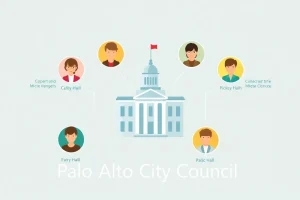
| City Council (7 members) | Legislative authority; sets policy, approves budget, enacts ordinances. |
| Mayor (rotating, 1‑year term) | Presides over council meetings, represents the city ceremonially, and leads strategic initiatives. |
| City Manager | Chief executive officer; implements council policies, oversees daily operations of 15 departments. |
| City Departments | Provide services such as Public Safety, Planning & Development, Transportation, and Parks & Recreation. |
As of the 2024 municipal election, the council reflects a mix of incumbents and newcomers, with representation from all major neighborhoods—North, Central, and South Palo Alto.
Elected Offices & Terms
Council members serve four‑year staggered terms, with elections held in even‑numbered years. The mayoral position rotates annually among council members, ensuring shared leadership.
Key Civic Bodies
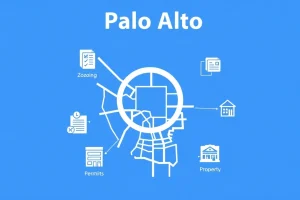
- Planning Commission – reviews land‑use proposals, zoning changes, and major development projects.
- Neighborhood Councils – advisory groups representing distinct districts; they submit recommendations on public safety, streetscape, and community programs.
- Board of Education (Palo Alto Unified School District) – elected separately but closely coordinated with city policies on transportation and facilities.
Key Concepts
Participatory Budgeting
Since 2021, Palo Alto has piloted a participatory budgeting process allowing residents to allocate up to 5% of the discretionary capital budget to projects they prioritize, such as park upgrades or street lighting.
Open Data & Transparency
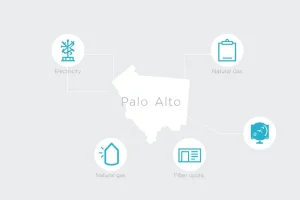
The City’s Open Data Portal (data.cityofpaloalto.org) hosts over 300 datasets, ranging from traffic counts to 311 service requests. The portal complies with California’s Open Government Act, guaranteeing public access to municipal records.
Public Safety Collaboration
Public Safety in Palo Alto is a joint effort between the Palo Alto Police Department, Fire Department, and the Community Safety Board, a citizen‑led entity that reviews use‑of‑force policies and emergency preparedness plans.
Benefits of Active Civic Engagement
Improved Service Delivery
When residents participate in public hearings or submit 311 requests, the city can target resources more precisely. For example, the 2023 “Smart Streetlights” pilot reduced nighttime traffic incidents by 12% after community input highlighted high‑risk intersections.
Economic Resilience
Transparent zoning decisions attract responsible developers, preserving mixed‑use neighborhoods that support local businesses. A 2022 study by Stanford’s Institute for Economic Policy found that cities with robust civic participation experience 8% higher small‑business survival rates.
Social Cohesion
Neighborhood councils foster cross‑cultural dialogue, essential in a city where 44% of households identify as Asian, 23% as White, and 22% as Hispanic or Latino (2020 Census).
Challenges Facing Palo Alto Governance
Housing Affordability
The median home price in Palo Alto exceeded $3.5 million in 2023, far above the statewide median. Balancing growth with affordability remains a contentious policy arena, especially with limited vacant land.
Transportation Congestion
Despite high rates of walking and cycling, the city’s arterial roads (e.g., El Camino Real) experience peak‑hour congestion levels 15% above the Bay Area average, according to Caltrans 2022 traffic counts.
Digital Equity
While Silicon Valley is a technology hub, a 2022 Digital Equity Survey revealed that 9% of Palo Alto households lack broadband speeds above 25 Mbps, limiting access to online civic platforms.
Best Practices for Residents
Stay Informed
- Subscribe to the Palo Alto Weekly City News newsletter (free).
- Follow the City’s official Twitter feed @PaloAltoGov for real‑time alerts.
Engage Early
Attend Planning Commission meetings at least 30 days before a major development decision. Early feedback is weighted more heavily in the city’s decision matrix.
Leverage Digital Tools
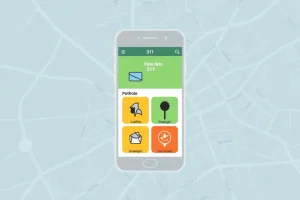
Use the Palo Alto Civic App (iOS/Android) to submit 311 requests, sign up for volunteer opportunities, and track council voting records.
Collaborate with Neighborhood Councils
Join a council that aligns with your district. Councils meet monthly, and minutes are posted publicly, offering a low‑barrier entry point for civic involvement.
Tools & Resources
Official Portals
- City Council Website – agendas, minutes, live streams of meetings.
- Open Data Portal – downloadable CSVs, GIS layers, and API endpoints.
- 311 Service Center – online request submission and status tracking.
Community Organizations
- North Palo Alto Community Association (NPACA)
- South Palo Alto Neighborhood Council (SPAN)
- Silicon Valley Open Government Partnership
Educational Resources
Stanford’s Center for Civic Innovation offers free workshops on local budgeting, public‑policy analysis, and civic tech development.
Future Trends
Smart City Initiatives
By 2026, Palo Alto aims to install 1,200 IoT‑enabled environmental sensors citywide, feeding data into an open dashboard for air quality, noise, and pedestrian flow.
Participatory Governance Platforms
Beta testing of a blockchain‑based voting system for neighborhood council elections is scheduled for late 2025, intended to increase transparency and reduce ballot fatigue.
Climate Resilience Planning
The 2024 Climate Action Plan outlines a 30% reduction in municipal greenhouse‑gas emissions by 2035, with community‑driven tree‑planting targets and storm‑water retrofit incentives.
Conclusion
Palo Alto’s civic ecosystem blends traditional municipal structures with cutting‑edge technology and a highly engaged citizenry. Understanding the city’s governance model, avenues for participation, and emerging challenges equips residents to shape the city’s trajectory—from affordable housing to climate resilience. By staying informed, leveraging available tools, and collaborating with neighborhood councils, every Palo Altoan can contribute to a more transparent, inclusive, and sustainable community.
FAQ
What is the council-manager form of government?
It is a system where an elected city council sets policies and a professional city manager implements them, ensuring a blend of political leadership and administrative expertise.
How can I submit a service request to the city?
Use the Palo Alto Civic App or the 311 Service Center online to report issues, track requests, and access city services.
What is participatory budgeting?
Since 2021, residents can vote on how to spend up to 5% of the city's discretionary capital budget on projects like park upgrades or street lighting.
How do neighborhood councils work?
They are advisory groups representing specific districts, meeting monthly to discuss public safety, streetscape, and community programs, with minutes posted publicly.
Leave a Reply