Short Answer
Introduction
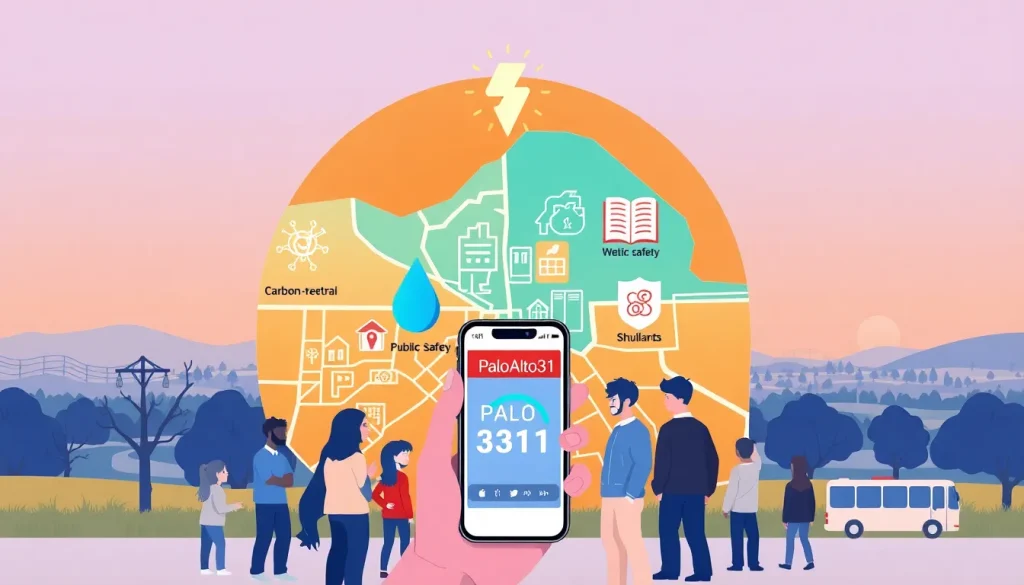
Palo Alto, a charter city of approximately 68,000 residents in the heart of Silicon Valley, is renowned for its innovation, tree-lined streets, and high quality of life. Underpinning this reputation is a robust network of public services that ensure the community functions smoothly, safely, and sustainably. From the moment a resident turns on the tap for drinking water sourced from the Hetch Hetchy system to the weekly curbside collection of recyclables, public services form the invisible backbone of daily life. This reference guide provides a comprehensive, fact-based overview of the essential public services available to Palo Alto residents. It covers the structure of city government, utilities, public safety, libraries, parks and recreation, transportation, and community support programs. Whether you are a long-time resident, a newcomer, or simply seeking to understand how your city works, this article serves as an authoritative resource, blending historical context, current data, and practical guidance.
Overview
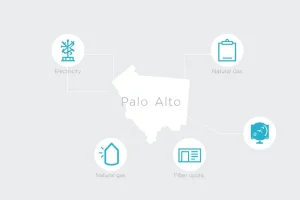
The City of Palo Alto operates under a council-manager form of government, where the seven-member City Council sets policy and the appointed City Manager oversees day-to-day operations. Public services are delivered through a combination of city departments, special funds, and regional partnerships. Unlike many neighboring cities, Palo Alto owns and operates its own utilities—including electric, gas, water, and wastewater—through the Utilities Department, a legacy of the city’s early 20th-century commitment to municipal infrastructure. Other core services are provided by the Police and Fire Departments, Library, Parks and Recreation, Public Works, and the Administrative Services Department. The city also contracts with regional agencies for transit, flood control, and certain social services. In fiscal year 2023-2024, the city’s total budget was approximately $1.1 billion, with the Utilities Enterprise Fund and General Fund being the two largest components. Understanding this ecosystem empowers residents to engage effectively with their local government and make the most of available resources.
Key Concepts
Municipal Utilities: A City-Owned Model
Palo Alto is one of the few cities in California that owns and operates its own full-service utilities. The Utilities Department provides electric, natural gas, water, and wastewater services to residents and businesses. This model allows the city to prioritize reliability, local control, and environmental goals. For example, Palo Alto’s electric supply is 100% carbon neutral, achieved through a combination of hydroelectric, solar, wind, and landfill gas resources, plus the purchase of renewable energy certificates. The city’s gas utility, however, remains a significant source of greenhouse gas emissions, and the city is exploring electrification strategies to meet its climate goals.
Water and Wastewater
Palo Alto’s water supply comes from the San Francisco Public Utilities Commission’s Hetch Hetchy Regional Water System, delivering high-quality Sierra Nevada snowmelt. The city maintains 300 miles of water mains, 22 reservoirs, and 10 pump stations. Wastewater is treated at the Regional Water Quality Control Plant, a facility Palo Alto operates on behalf of several partner agencies, processing an average of 22 million gallons per day. The plant produces recycled water used for irrigation and industrial purposes, reducing demand on potable supplies.
Solid Waste and Recycling
Palo Alto’s Zero Waste program, managed by Public Works, aims to divert 95% of waste from landfills by 2030. As of 2023, the diversion rate stood at 82%. Residents receive weekly curbside collection of compost (green bin), recyclables (blue bin), and garbage (black bin). The city also offers bulky item pickup, household hazardous waste disposal, and food scraps recycling. A pay-as-you-throw pricing model incentivizes waste reduction.
Benefits
Palo Alto’s integrated public services deliver tangible benefits that enhance residents’ quality of life, safety, and environmental sustainability. The municipally owned utilities provide reliable, carbon-neutral electricity and high-quality water at competitive rates. The city’s public safety departments maintain some of the lowest crime rates in the region; in 2022, Palo Alto reported a violent crime rate of 1.8 per 1,000 residents, well below the national average. The library system offers not just books but also digital resources, community programs, and study spaces that serve as a hub for lifelong learning. Parks and open spaces—over 4,000 acres including the Baylands Nature Preserve—offer recreation, wildlife habitat, and flood protection. The city’s commitment to active transportation is reflected in its 40+ miles of bike lanes and the free Palo Alto Link shuttle, reducing traffic congestion and emissions. These services collectively contribute to Palo Alto’s high livability rankings and strong property values.
Challenges
Aging Infrastructure
Much of Palo Alto’s utility infrastructure dates to the mid-20th century and requires significant investment. The city’s 2023-2027 Capital Improvement Program allocated over $400 million to upgrade water mains, electric substations, and gas pipelines. Balancing these upgrades with rate affordability remains a persistent challenge. For example, the electric grid must be modernized to accommodate increased demand from electric vehicles and heat pumps, while gas infrastructure faces long-term uncertainty as the city pursues decarbonization.
Equity and Access
Despite overall affluence, Palo Alto has pockets of need. The city’s Human Services Resource Center reports that approximately 5% of residents live below the federal poverty level. Ensuring equitable access to services—such as affordable utility rates, digital literacy programs, and transportation for seniors and low-income households—requires targeted outreach. The city’s Palo Alto Link on-demand shuttle and discounted utility rates for income-qualified customers are steps in this direction, but gaps remain.
Climate Adaptation
Palo Alto faces increasing risks from climate change, including sea-level rise, extreme heat, and wildfire smoke. The city’s Public Works and Utilities departments are investing in flood protection, stormwater management, and grid resilience. However, the scale of needed adaptation—such as protecting the Baylands infrastructure and hardening the electric grid—exceeds current funding levels, requiring regional collaboration and new revenue sources.
Best Practices
Engage with the City’s Digital Platforms
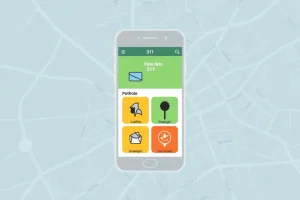
Residents can manage most service interactions through the city’s website and mobile apps. The My Utilities portal allows customers to track energy and water usage, pay bills, and report outages. The PaloAlto311 app enables non-emergency service requests—from pothole repair to streetlight issues—with real-time tracking. Signing up for AlertSCC ensures receipt of emergency notifications. Proactively using these tools saves time and helps the city allocate resources efficiently.
Participate in Community Programs
Palo Alto offers numerous programs that benefit both residents and the broader community. The Residential Energy Assistance Program (REAP) provides utility bill discounts for income-qualified households. The Library’s eCard gives access to digital collections for those who cannot visit in person. The Park Adopt-a-Spot program allows volunteers to maintain neighborhood green spaces. Engaging in these programs strengthens community ties and ensures services reach those who need them most.
Prepare for Emergencies
Given the region’s earthquake and wildfire risks, residents should maintain emergency kits, know evacuation routes, and stay informed through AlertSCC and the city’s emergency operations updates. The Palo Alto Fire Department offers free Community Emergency Response Team (CERT) training, teaching basic disaster response skills. Registering for the Smart911 profile enables first responders to access critical medical and contact information during an emergency.
Tools & Resources
The City of Palo Alto provides a wide array of tools and resources to help residents navigate public services effectively. Below is a summary of key platforms and contact points.
| Resource | Description | Access |
|---|---|---|
| City Website | Central hub for all departments, services, and public meetings | cityofpaloalto.org |
| My Utilities Portal | Manage utility accounts, view usage, pay bills | cityofpaloalto.org/utilities |
| PaloAlto311 | Report non-emergency issues, request services | PaloAlto311 app or phone |
| AlertSCC | Emergency alerts via text, email, or phone | alertscc.com |
| Open Data Portal | Access city datasets on budget, crime, permits, etc. | data.cityofpaloalto.org |
| Library Digital Resources | eBooks, audiobooks, streaming, online learning | library.cityofpaloalto.org |
| Recycle Coach | Personalized collection schedules and sorting guide | Mobile app or web |
| Palo Alto Link | Free on-demand shuttle service within city limits | Palo Alto Link app |
Future Trends
Electrification and Decarbonization
Palo Alto’s 2021 Climate Action Plan set a goal of reducing greenhouse gas emissions 80% below 1990 levels by 2030. A cornerstone of this effort is the electrification of buildings and transportation. The city is expanding its electric vehicle charging infrastructure, offering rebates for heat pump water heaters and induction cooktops, and exploring a transition away from natural gas. The Utilities Department is piloting advanced metering infrastructure to give residents real-time energy data, enabling smarter consumption.
Smart City Integration
Palo Alto is investing in smart city technologies to improve service delivery. Projects include adaptive traffic signals that reduce congestion, sensors for water leak detection, and a fiber-optic network backbone to support municipal operations and potentially expand broadband access. The city’s IT Master Plan envisions a fully connected infrastructure that enhances responsiveness and efficiency across all departments.
Regional Collaboration
Challenges like sea-level rise, transportation, and housing require regional solutions. Palo Alto is actively participating in the San Mateo County Flood and Sea Level Rise Resiliency District and working with Caltrain and the Valley Transportation Authority on transit improvements. The city is also part of the Silicon Valley Clean Energy joint powers authority, though it maintains its own carbon-neutral supply. Expect deeper partnerships to address cross-boundary issues in the coming decade.
Conclusion
Palo Alto’s public services are a testament to the community’s long-standing commitment to self-reliance, innovation, and quality of life. From the municipally owned utilities that power homes with carbon-neutral electricity to the libraries that serve as knowledge hubs, these services are integral to the city’s identity. While challenges such as aging infrastructure, equity gaps, and climate threats persist, the city’s proactive planning and resident engagement provide a strong foundation for the future. By understanding and utilizing the full range of available services, residents not only enhance their own lives but also contribute to the collective well-being of this unique Silicon Valley community. This guide will continue to evolve as services adapt, and residents are encouraged to consult the city’s official channels for the most current information.
FAQ
How do I set up or manage my utility services?
Residents can manage electric, gas, water, and wastewater services through the City of Palo Alto Utilities Department. Use the My Utilities online portal or call customer service to start, stop, or transfer service, pay bills, and track usage.
What is included in Palo Alto's Zero Waste program?
The program provides weekly curbside collection of compost (green bin), recyclables (blue bin), and garbage (black bin). It also offers bulky item pickup, household hazardous waste disposal, and food scraps recycling. The goal is 95% diversion from landfills by 2030.
How can I report a non-emergency issue like a pothole or streetlight outage?
Use the PaloAlto311 mobile app or website to submit service requests. The system allows real-time tracking of issues such as potholes, graffiti, and streetlight problems.
What emergency preparedness resources does the city offer?
The Palo Alto Fire Department offers free Community Emergency Response Team (CERT) training. Residents should sign up for AlertSCC emergency notifications, maintain an emergency kit, and know local evacuation routes.

Leave a Reply