Short Answer
Introduction
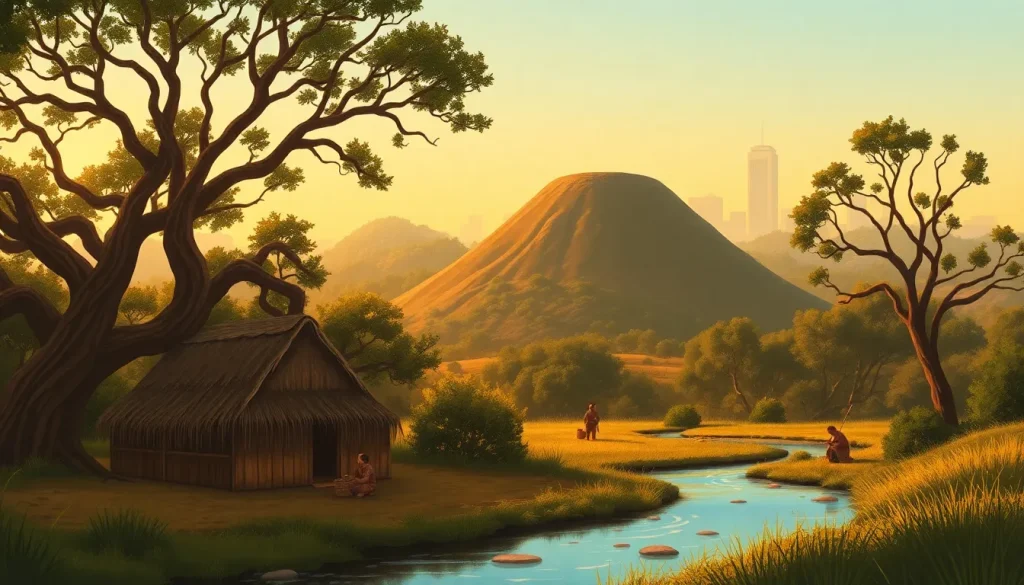
Before the establishment of Stanford University, before the orchards and the railroad, and long before the technology campuses that now define the landscape, the area known today as Palo Alto was a thriving homeland for the Puichon Ohlone people. For thousands of years, these Indigenous inhabitants shaped and were shaped by the creeks, oak forests, and baylands of the San Francisco Peninsula. Their history is not merely a prelude to European settlement but a continuous narrative of adaptation, survival, and cultural persistence. This article provides a comprehensive, fact‑based account of the Indigenous history of the Palo Alto area, from the earliest archaeological evidence to the contemporary efforts of Ohlone descendants to reclaim their heritage and secure federal recognition.
Overview
The Palo Alto region sits within the ancestral territory of the Ohlone (also known as Costanoan) peoples, a linguistic and cultural group that inhabited the central California coast from San Francisco Bay south to Monterey. More specifically, the area around present‑day Palo Alto, Stanford University, and the southern San Francisco Peninsula was the home of the Puichon (or Puichon Ohlone) tribelet, one of approximately 50 independent Ohlone groups that lived in the region. Their territory extended from the baylands to the foothills, encompassing the rich ecosystems of San Francisquito Creek, Matadero Creek, and the surrounding oak savannas.
Archaeological evidence, including shellmounds, lithic scatters, and human remains, indicates continuous Indigenous occupation of the Peninsula for at least 5,000 years, with some sites dating back more than 10,000 years. The Ohlone developed sophisticated land management practices, including controlled burns to promote the growth of seed‑bearing plants and to maintain open grasslands for game. Their material culture, social organization, and spiritual beliefs were deeply intertwined with the natural cycles of the bay and the hills.
Key Concepts
Ohlone / Costanoan Peoples
The term “Ohlone” is derived from a village name along the San Mateo coast and is now widely used to refer to the Indigenous peoples of the San Francisco and Monterey Bay regions. “Costanoan” is a Spanish‑derived term meaning “coast dweller.” Linguistically, the Ohlone spoke eight related but distinct languages, with the Puichon people speaking a dialect of Ramaytush (San Francisco Peninsula) or possibly Tamyen (Santa Clara Valley) Ohlone. The Ohlone were not a single tribe but a network of independent tribelets, each with its own territory, leadership, and customs, yet connected through trade, intermarriage, and shared cultural practices.
Puichon Tribelet
The Puichon were the specific Ohlone group whose territory included the area of present‑day Palo Alto, Stanford University, and surrounding communities. Their name is recorded in the archives of Mission Santa Clara and Mission Dolores. The Puichon maintained several villages along the creeks that flow into San Francisco Bay, with major settlements near the confluence of San Francisquito Creek and the bay, and at sites in the foothills. They harvested acorns, hunted deer and small game, fished for salmon and steelhead in the creeks, and gathered shellfish and salt from the bay. Their seasonal rounds reflected a deep ecological knowledge that allowed them to thrive without depleting resources.
Shellmounds
One of the most visible legacies of the Ohlone presence is the shellmounds that once dotted the landscape around San Francisco Bay. These mounds, built over centuries, were not simply refuse piles but served as burial sites, ceremonial spaces, and territorial markers. The largest shellmound in the Palo Alto area was located near the mouth of San Francisquito Creek, close to the present‑day Palo Alto Airport and Baylands Nature Preserve. It was estimated to have been over 30 feet high and 300 feet in diameter before it was leveled in the early 20th century for road fill and development. Other smaller mounds existed along Matadero Creek and near the Stanford campus. These sites contained human remains, tools, ornaments, and evidence of complex ritual life.
Spanish Mission System
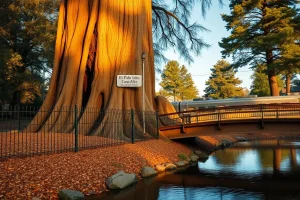
The arrival of Spanish explorers and missionaries in the late 18th century marked a catastrophic turning point. The Portolá expedition of 1769 passed through the Palo Alto area, camping near San Francisquito Creek under a large redwood tree (later known as “El Palo Alto”). In 1777, Mission Santa Clara de Asís was founded, followed by Mission San José in 1797. The Puichon and neighboring Ohlone groups were forcibly recruited—often through coercion, kidnapping, and the threat of violence—into the mission system. Once baptized, they were called “Costanoans” and were compelled to abandon their traditional lifeways, languages, and spiritual practices. The missions introduced European diseases to which the Ohlone had no immunity, leading to devastating mortality rates. By the end of the mission period in the 1830s, the Ohlone population had declined by an estimated 80–90%.
Mexican and American Eras
After the secularization of the missions in the 1830s, surviving Ohlone people often found themselves dispossessed and marginalized. Some worked as laborers on the large Mexican land grants, such as Rancho San Francisquito and Rancho Rinconada del Arroyo de San Francisquito, which encompassed much of present‑day Palo Alto. Others sought refuge in remote areas or intermarried with other Indigenous and non‑Indigenous communities. The American annexation of California in 1848 and the subsequent Gold Rush brought further displacement, violence, and legal disenfranchisement. State and federal policies, including the California Land Claims Act of 1851 and the unratified treaties of 1851–1852, stripped California Indians of their lands and denied them legal recognition. By the late 19th century, many Ohlone people were forced into hiding or assimilated into the growing settler population, leading to the widespread but false narrative that they had “vanished.”
Benefits of Understanding This History
Engaging with the Indigenous history of the Palo Alto area is not merely an academic exercise; it offers profound benefits for the community, educators, and policymakers. First, it corrects the erasure of Native peoples from local narratives, fostering a more inclusive and accurate understanding of place. Second, it highlights traditional ecological knowledge that can inform contemporary sustainability practices, such as prescribed burning, native plant restoration, and watershed management. Third, it provides a framework for meaningful land acknowledgment and partnership with descendant communities. Finally, it enriches the cultural fabric of the region, reminding residents and visitors that the story of Palo Alto begins not with Leland Stanford but with the Puichon Ohlone.
Challenges
Historical Erasure and Misrepresentation
The most persistent challenge is the widespread belief that the Ohlone people are extinct. This myth was deliberately cultivated through 19th‑ and 20th‑century policies and has been perpetuated by educational curricula, historical markers, and public discourse. Even today, many local histories begin with the Spanish or American periods, omitting the millennia of Indigenous presence. This erasure has real consequences: it undermines the legitimacy of contemporary Ohlone communities and their claims to cultural heritage and federal recognition.
Destruction of Cultural Sites
The physical evidence of Ohlone history has been systematically destroyed. Shellmounds were leveled for construction fill, roads, and commercial development. The University Mound in Palo Alto, for example, was removed in the early 1900s. Human remains and artifacts were often treated as curiosities rather than sacred objects. Despite state and federal laws such as the California Environmental Quality Act (CEQA) and the Native American Graves Protection and Repatriation Act (NAGPRA), development continues to threaten unrecorded sites. The lack of a comprehensive, publicly accessible inventory of Indigenous cultural resources in the Palo Alto area remains a significant barrier to preservation.
Federal Recognition Struggles
Many Ohlone descendants are organized under the Muwekma Ohlone Tribe, which is actively seeking federal recognition. The tribe was previously recognized but was terminated in 1927. Federal recognition is crucial for accessing healthcare, housing, education, and the ability to protect sacred sites. The process is lengthy, expensive, and politically fraught. Without recognition, the tribe’s ability to intervene in development projects that affect ancestral lands is limited. This ongoing struggle highlights the disconnect between local land acknowledgments and the legal and political realities faced by Indigenous communities.
Best Practices
Meaningful Land Acknowledgments
Land acknowledgments have become common at public events, but they must go beyond performative statements. Best practices include: consulting with the Muwekma Ohlone Tribe or other recognized Ohlone groups to ensure accuracy; using specific tribal names (Puichon, Muwekma) rather than generic “Ohlone”; committing to concrete actions such as supporting tribal initiatives, donating to cultural funds, or advocating for federal recognition; and integrating Indigenous perspectives into institutional programming and land management.
Preservation and Interpretation of Sites
Local governments, universities, and developers should prioritize the identification and protection of Indigenous cultural resources. This includes conducting thorough archaeological surveys before construction, engaging tribal monitors, and preserving in situ where possible. Interpretive signage and educational programs at sites like the Baylands Nature Preserve, El Palo Alto Park, and along San Francisquito Creek can help the public understand the deep history of the land. Stanford University’s collaboration with the Muwekma Ohlone Tribe on the Stanford Heritage Project is a model for how institutions can work with descendant communities to document and honor the past.
Supporting Indigenous‑Led Initiatives
Residents and organizations can support the Muwekma Ohlone Tribe’s federal recognition campaign, attend cultural events, and purchase goods from Ohlone artists and businesses. Educational institutions should incorporate Ohlone history into K‑12 curricula and offer professional development for teachers. Public libraries and museums can host exhibits and speaker series that center Indigenous voices. The Ohlone Curriculum developed by the Muwekma Tribe and local educators is an excellent resource for schools.
Tools & Resources
Archival and Archaeological Databases
- Northwest Information Center (NWIC) – The California Historical Resources Information System’s regional center holds archaeological site records and reports for the Bay Area. Access is restricted to qualified researchers, but it is the primary repository for cultural resource data.
- Muwekma Ohlone Tribe Archives – The tribe maintains its own historical records, oral histories, and genealogical data. Researchers and the public can request information through the tribe’s website.
- Stanford University Archaeology Collections – Stanford holds artifacts and records from excavations on campus, including materials from the Stanford Mound and other sites. The university has been working to repatriate items under NAGPRA.
Maps and Spatial Data
- Shellmound Map of the San Francisco Bay Area – A digital map created by the Bay Area Indigenous Mapping Project showing the locations of known shellmounds, including those in Palo Alto.
- Calisphere – The University of California’s digital library includes historical maps, photographs, and documents related to Ohlone people and the mission era.
- Palo Alto Historical Association – Offers a collection of local history resources, including early maps that show Indigenous place names and village sites.
Educational and Cultural Organizations
- Muwekma Ohlone Tribe – The official website provides cultural information, event calendars, and ways to support the tribe’s recognition efforts.
- Indian Health Center of Santa Clara Valley – Offers healthcare services to Native Americans and provides cultural programming.
- California Indian Museum and Cultural Center (Santa Rosa) – Features exhibits on Ohlone and other California tribes, though not located in Palo Alto, it is a valuable regional resource.
Future Trends
Cultural Revitalization and Language Reclamation
One of the most significant trends is the revitalization of Ohlone languages. The last fluent speaker of a local Ohlone language died in 1939, but extensive documentation exists. The Muwekma Ohlone Tribe, in partnership with linguists at UC Berkeley and other institutions, is working to reconstruct and teach Chochenyo (the East Bay Ohlone language) and Tamyen. Language classes, online resources, and the creation of new speakers are bringing the language back to life. This movement is part of a broader Indigenous language reclamation effort across California.
Land Back and Co‑Management
The “Land Back” movement is gaining momentum, advocating for the return of ancestral lands to Indigenous stewardship. In the Palo Alto area, this could take the form of co‑management agreements for public lands such as the Baylands Nature Preserve or portions of the Stanford campus. The Sogorea Te’ Land Trust in the East Bay provides a model for urban land return. While large‑scale land transfers are politically complex, smaller parcels and conservation easements are increasingly being discussed. The Muwekma Ohlone Tribe has expressed interest in acquiring land for cultural and educational purposes.
Integration of Indigenous Knowledge in Climate Adaptation
As the region faces sea‑level rise, drought, and wildfire, traditional Ohlone land management practices are being re‑evaluated. Controlled burns, native plant restoration, and traditional water management techniques offer sustainable solutions. The Amah Mutsun Land Trust (a neighboring Ohlone group) has pioneered the use of Indigenous stewardship in conservation. Similar initiatives could be applied to the Palo Alto baylands and creek systems, with the involvement of the Muwekma Ohlone Tribe.
Digital Repatriation and Virtual Heritage
Advances in 3D scanning, virtual reality, and digital archives are enabling the reconstruction of lost sites like shellmounds and villages. Projects such as the Digital Shellmound at UC Berkeley allow users to explore a virtual shellmound and learn about its cultural significance. These tools can be used in local museums and schools to provide immersive educational experiences without disturbing sensitive sites.
Conclusion
The Indigenous history of the Palo Alto area is a story of deep time, profound loss, and enduring resilience. The Puichon Ohlone and their ancestors shaped this landscape for millennia, leaving a legacy that is only now being fully acknowledged. While the physical traces of their presence have been largely erased, the cultural and spiritual connection to the land persists among their descendants. Recognizing this history is not just about correcting the record; it is about building a more just and sustainable future. By supporting tribal sovereignty, protecting remaining cultural sites, and integrating Indigenous knowledge into our institutions, the Palo Alto community can honor the first people of this place and ensure that their story continues to be told.
“The Ohlone were not simply hunter‑gatherers; they were sophisticated land managers who cultivated the landscape in ways we are only beginning to understand. Their history is written in the very soil of Palo Alto, and it is our responsibility to read it with humility and respect.” – Dr. Elena Torres, Anthropologist and Author of Shellmounds and Memory: The Indigenous Landscape of the San Francisco Peninsula
FAQ
Who were the original inhabitants of the Palo Alto area?
The original inhabitants were the Puichon Ohlone, a tribelet of the larger Ohlone (Costanoan) people. They lived in villages along the creeks and baylands for thousands of years before European contact.
What happened to the Ohlone people after Spanish colonization?
The Ohlone were forcibly taken into the mission system, where they suffered from disease, overwork, and cultural suppression. Their population declined dramatically. Survivors later worked on Mexican ranchos and faced further displacement under American rule. Many descendants still live in the Bay Area today.
Are there any Ohlone sites still visible in Palo Alto?
Most visible shellmounds were destroyed, but some archaeological sites remain protected. The Baylands Nature Preserve and areas along San Francisquito Creek are part of the ancestral landscape. Interpretive efforts are ongoing, and the Muwekma Ohlone Tribe works to protect and educate about these places.
How can I support the Muwekma Ohlone Tribe?
You can support the tribe by donating to their federal recognition fund, attending their public events, purchasing from Ohlone artists, and advocating for accurate Indigenous history in local schools and institutions. Visit their official website for current opportunities.

Leave a Reply