Short Answer
Quick Answer
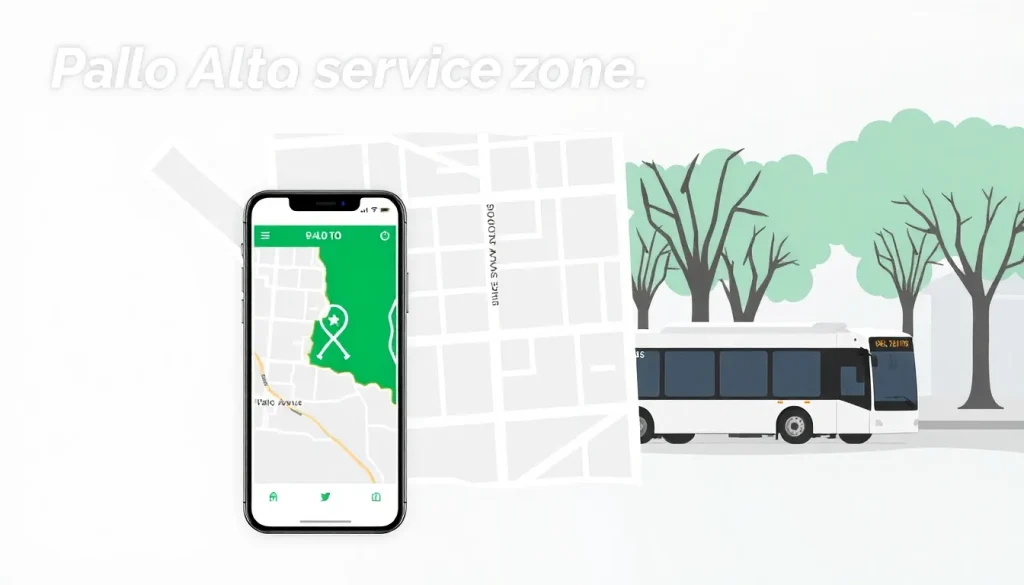
Palo Alto Link is a free, on-demand microtransit shuttle service operated by the City of Palo Alto. It provides first- and last-mile connections to Caltrain stations and key destinations within a defined service zone, using a fleet of electric vehicles. The service is currently in a pilot phase, with rides booked through a mobile app or by phone.
What Is Palo Alto Link Explained?
Palo Alto Link is a public transportation service designed to fill gaps in the city’s fixed-route transit network. Launched in March 2023 as a one-year pilot, it offers curb-to-curb shared rides within a designated area centered on the California Avenue business district and surrounding neighborhoods. The service aims to reduce single-occupancy vehicle trips, improve access to transit hubs, and provide a sustainable mobility option for residents, workers, and visitors.
The program is part of the city’s broader Transportation Demand Management strategy and aligns with Palo Alto’s Sustainability and Climate Action Plan goals. Unlike traditional bus lines, Palo Alto Link uses a dynamic routing algorithm—powered by the technology company Via—to group passengers heading in similar directions, optimizing vehicle occupancy and minimizing wait times. All vehicles are fully electric, contributing to the city’s carbon-neutral ambitions.
Historically, Palo Alto operated a fixed-route shuttle called the Palo Alto Shuttle, which was discontinued in 2020 due to low ridership and budget constraints. The Link pilot represents a shift toward flexible, technology-driven transit solutions that can adapt to changing travel patterns.
Who Manages It?
The service is managed by the City of Palo Alto’s Transportation Division, which sits within the Department of Planning and Development. The division oversees planning, implementation, and evaluation of the pilot. Day-to-day operations are contracted to Via Transportation, Inc., a global provider of microtransit software and services. The city retains full policy control and funding authority.
Jurisdiction is limited to the incorporated City of Palo Alto. Key public contacts include the Transportation Division’s main line at (650) 329-2520 and the dedicated Palo Alto Link support number available through the app. Official updates are posted on the city’s website under the “Palo Alto Link” page.
Current Status
As of early 2025, the Palo Alto Link pilot remains active and has been extended through June 30, 2025. The initial pilot was scheduled to end in March 2024, but the City Council approved a series of extensions to gather more data and allow for a thorough evaluation. A staff report presented in late 2024 indicated that ridership had grown steadily, averaging 150–180 passenger trips per weekday, with high user satisfaction scores.
Funding for the pilot comes from a combination of city general funds, regional transportation grants, and a portion of the city’s Transportation Impact Fee program. The City Council is expected to decide on permanent adoption by mid-2025, based on performance metrics such as cost per ride, service efficiency, and equity outcomes.
How Residents Use It
Using Palo Alto Link is straightforward and requires either a smartphone or a telephone. Follow these steps:
- Download the app or call: Install the “Palo Alto Link” app from the Apple App Store or Google Play, or call the service hotline at the number listed on the city’s website. No account creation is needed for phone bookings, but app users must register with an email address and phone number.
- Book a ride: Enter your pickup location and destination within the service zone. The app will display an estimated pickup time and walking directions to a nearby “virtual bus stop” if needed. Phone agents can assist with the same process.
- Wait and ride: A shared electric van will arrive, typically within 10–20 minutes. The service is free; no payment or fare card is required. Riders may share the vehicle with other passengers traveling in the same general direction.
- Provide feedback: After the ride, users are encouraged to rate their experience through the app, which helps the city and Via improve service quality.
Relevant Map or Dataset
The City of Palo Alto publishes an interactive map of the Palo Alto Link service zone on its open data portal. The dataset, titled “Palo Alto Link Service Area,” shows the precise boundary within which rides can be requested. It also includes the locations of designated virtual bus stops and real-time vehicle positions (when available). Residents can use this map to determine if their home, workplace, or destination is covered.
| Data Point | Description | Source |
|---|---|---|
| Service area size | Approximately 3.5 square miles | City of Palo Alto GIS |
| Number of vehicles | 6 electric vans (as of 2024) | Transportation Division |
| Average daily ridership | 150–180 passenger trips (weekday) | City Council staff report, Dec 2024 |
| Operating hours | 7:00 a.m. – 7:00 p.m., Monday–Friday | Palo Alto Link website |
Key Terminology
- Microtransit: A flexible, on-demand transit service that uses dynamic routing to group passengers, falling between private ride-hailing and fixed-route buses.
- First/Last Mile: The segment of a trip between a transit station (like Caltrain) and a traveler’s origin or destination, often a barrier to using public transit.
- Service Zone: The geographic area within which a microtransit service operates; trips must start and end inside this boundary.
- Virtual Bus Stop: A designated pickup/drop-off point, often at a street corner, that is used instead of door-to-door service to improve routing efficiency.
Limitations and Caveats
While Palo Alto Link fills a critical gap, it has several limitations. The service zone covers only the California Avenue area and adjacent neighborhoods; residents in north Palo Alto, Stanford, or the foothills cannot use it. Operating hours are limited to weekdays from 7 a.m. to 7 p.m., excluding weekends and major holidays. Wait times can exceed 20 minutes during peak demand, and the shared nature of the service means trips may take longer than a private car. The pilot’s long-term funding is not yet secured, and the City Council could decide to discontinue or modify the service after June 2025. Data on the open portal is updated monthly, so real-time vehicle locations may not always be available. Finally, the service is not a substitute for ADA paratransit; while vehicles are wheelchair accessible, eligibility and booking for paratransit services are separate.
Update History
- 2023-03-15: Pilot service launches with 4 electric vans, operating 7 a.m.–7 p.m. weekdays.
- 2023-09-01: Fleet expanded to 6 vehicles; service zone slightly enlarged to include additional residential blocks.
- 2024-03-14: City Council extends pilot through December 2024, citing positive ridership trends.
- 2024-12-10: Council approves second extension to June 30, 2025, and directs staff to prepare a permanent service proposal.
Official Sources
- City of Palo Alto – Palo Alto Link: https://www.cityofpaloalto.org/Departments/Transportation/Palo-Alto-Link
- City of Palo Alto Open Data Portal: https://data.cityofpaloalto.org/
- Via Transportation: https://ridewithvia.com/
- City Council Staff Report (Dec 2024): https://www.cityofpaloalto.org/files/assets/public/agendas-minutes-reports/city-council/2024/cc-2024-12-10-item-6.pdf
FAQ
Is Palo Alto Link really free?
Yes. There is no fare, no tipping, and no payment information required. The service is funded by the city and grants.
How do I book a ride without a smartphone?
Call the dedicated phone number listed on the city’s Palo Alto Link webpage. An agent will book the ride for you and provide pickup details.
Can I use the service to get to the Caltrain station?
Absolutely. The service zone includes the California Avenue Caltrain station, and providing first/last-mile connections to transit is one of its primary goals.
Are the vehicles wheelchair accessible?
Yes, all vehicles in the Palo Alto Link fleet are wheelchair accessible. When booking via the app, you can indicate accessibility needs.
What happens after the pilot ends in June 2025?
The City Council will review performance data and decide whether to make the service permanent, modify it, or discontinue it. A decision is expected by mid-2025.

Leave a Reply