Short Answer
Quick Answer
Caltrain provides commuter rail service along the San Francisco Peninsula, with two stations in Palo Alto: Palo Alto Station at University Avenue and California Avenue Station. The system is currently transitioning from diesel-hauled trains to a fully electrified fleet, a project that will increase frequency, reduce travel times, and lower emissions. As of early 2025, electric service is operational on weekdays, with further schedule enhancements planned.
What Is How Caltrain Serves Palo Alto?
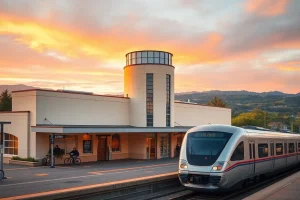
Caltrain is the primary passenger rail service connecting Palo Alto to San Francisco, San Jose, and intermediate cities along the 77-mile Peninsula Corridor. Within Palo Alto city limits, the service provides two stations: the historic Palo Alto Station (also known as University Avenue Station) at 95 University Avenue, and California Avenue Station at 101 California Avenue. These stations anchor two distinct transit-oriented neighborhoods and serve as gateways for thousands of daily riders, including Stanford University affiliates, tech workers, and residents.
The service operates seven days a week, with trains running from approximately 5:00 a.m. to midnight. Historically, Caltrain used diesel locomotive-hauled gallery cars. However, the system is in the final stages of the Peninsula Corridor Electrification Project (PCEP), which has strung overhead catenary wires and introduced new electric multiple-unit (EMU) trains. As of early 2025, electric service is the primary mode on weekdays, with diesel trains used during some off-peak periods and weekends until full conversion. This project represents the most significant infrastructure upgrade in Caltrain’s history and directly impacts Palo Alto through quieter, faster, and more frequent service.
Who Manages It?
Caltrain is owned and operated by the Peninsula Corridor Joint Powers Board (JPB), a partnership of three transit agencies: the San Francisco Municipal Transportation Agency (SFMTA), the San Mateo County Transit District (SamTrans), and the Santa Clara Valley Transportation Authority (VTA). The JPB was formed in 1992 to consolidate management of the corridor, which had been operated by Southern Pacific Railroad until 1980 and later by Caltrans and Amtrak under contract.
Each member agency appoints representatives to the JPB, which sets policy, approves budgets, and oversees the executive director. Day-to-day operations are managed by Caltrain staff, with contracted services for maintenance, security, and some customer functions. The City of Palo Alto does not directly manage Caltrain but collaborates on station area planning, grade crossing safety, and last-mile connections through its Office of Transportation and the Palo Alto City Council.
Current Status
Electrification is now in service. After years of construction, Caltrain launched electric service on September 21, 2024, initially on weekdays between San Francisco and San Jose. The new Stadler KISS electric multiple units (EMUs) offer faster acceleration, reducing travel times between Palo Alto and San Francisco to about 35–40 minutes (down from 45–50 minutes). Weekend electric service is being phased in during early 2025.
Service frequency has increased. The baseline weekday schedule now provides trains every 15–20 minutes during peak hours at both Palo Alto stations, compared to the previous 30-minute peak headways. Off-peak and weekend frequencies are also improving as more EMUs enter service. The system carried approximately 18,000 weekday passengers pre-pandemic; ridership is recovering and reached about 60% of pre-COVID levels by late 2024, with growth expected as service improves.
Infrastructure upgrades continue. Palo Alto’s four at-grade rail crossings (at Charleston Road, Meadow Drive, Churchill Avenue, and Alma Street/University Avenue) remain active. The JPB and City of Palo Alto are studying grade separation options to improve safety and traffic flow, but no construction timeline has been finalized. The Caltrain Business Plan (adopted 2023) outlines a vision for 2040 that includes potential station modernization and integrated mobility hubs.
How Residents Use It
Using Caltrain from Palo Alto is straightforward. Follow these steps to plan and take a trip:
- Plan your trip. Visit the official Caltrain website or use a transit app (e.g., Google Maps, Transit) to check schedules. Identify your departure station (Palo Alto or California Avenue) and destination. Note whether the train is local, limited, or express—express trains skip many stops, including sometimes California Avenue.
- Purchase fare. Fares are based on zones. Palo Alto is in Zone 3. You can buy a one-way, day pass, or monthly pass via the Caltrain Mobile app, ticket vending machines at stations, or a Clipper card. Clipper is the regional smart card accepted on all Bay Area transit. Tag on before boarding and tag off after exiting to ensure correct fare calculation.
- Board the train. Arrive at the platform a few minutes early. Check digital signs for real-time departure info. Electric trains have level boarding and wider doors. Bicycles are allowed on designated cars (look for bike symbols). Secure your bike and find a seat. Conductors may check tickets; have your Clipper card or mobile ticket ready.
- Connect to local transit. At Palo Alto Station, transfer to VTA buses, Stanford’s Marguerite Shuttle, or use the bike lockers and Bay Wheels bike share. California Avenue Station is adjacent to the Cal Ave business district and offers similar connections. Both stations have parking, but availability is limited; consider walking, biking, or using Palo Alto Link, the city’s on-demand shuttle.
Relevant Map or Dataset
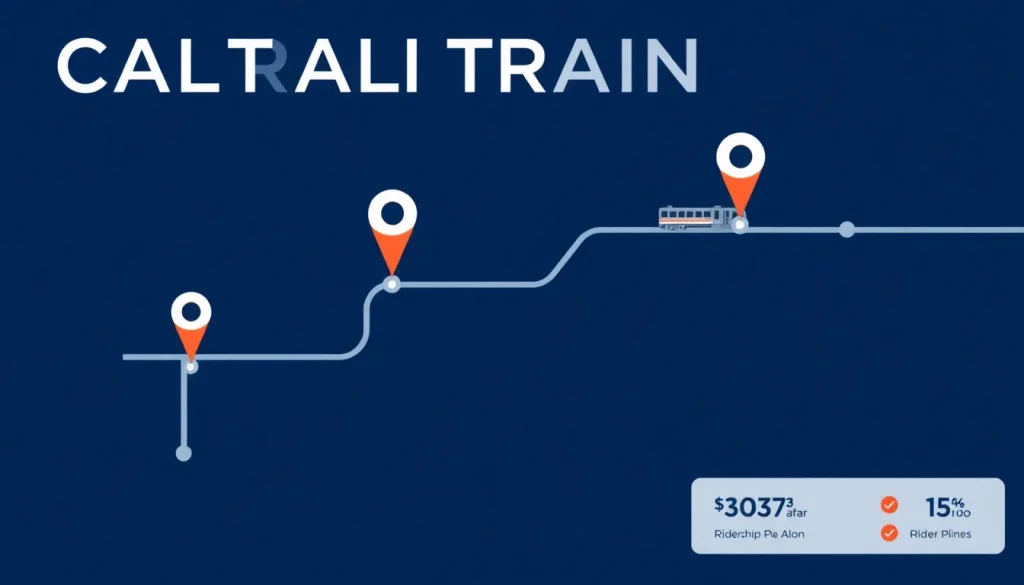
The Caltrain Station Ridership Dashboard, published by the Metropolitan Transportation Commission (MTC) and Caltrain, provides monthly average weekday boardings and alightings for each station. This dataset helps residents understand usage patterns and trends. The map below shows the two Palo Alto stations within the regional rail network.
| Data Point | Description | Source |
|---|---|---|
| Average weekday boardings (Palo Alto Station, 2024) | Approximately 4,200 passengers boarding daily | Caltrain Ridership Reports |
| Average weekday boardings (California Ave Station, 2024) | Approximately 2,100 passengers boarding daily | Caltrain Ridership Reports |
| Weekday trains serving Palo Alto (2025) | 104 trains (52 northbound, 52 southbound) | Caltrain Schedule |
| Travel time to San Francisco (electric express) | 35 minutes from Palo Alto Station | Caltrain Timetable |
| Electrification project cost | $2.44 billion | Peninsula Corridor Joint Powers Board |
Key Terminology
- EMU (Electric Multiple Unit): A train where each car has its own electric motors, eliminating the need for a separate locomotive. Caltrain’s new Stadler KISS trains are EMUs.
- Grade Separation: A project that separates rail tracks from roadways via overpasses or underpasses, eliminating at-grade crossings to improve safety and traffic flow.
- Peninsula Corridor Joint Powers Board (JPB): The three-agency partnership that owns and governs Caltrain.
- Zone Fare System: Caltrain divides its route into six zones; fares are calculated based on the number of zones traveled. Palo Alto is in Zone 3.
- PCEP (Peninsula Corridor Electrification Project): The infrastructure program that installed overhead catenary wires and procured electric trains to replace diesel service.
Limitations and Caveats
Ridership data is typically reported with a two- to three-month lag and may be revised. The figures cited are from the most recent publicly available reports and may not reflect real-time conditions. Electrification schedule changes are ongoing; weekend electric service may still be limited during the transition. The map shows station locations but not real-time train positions. Grade separation studies are preliminary and subject to funding and environmental review. Parking availability at both stations is constrained, and waitlists exist for reserved permits. Finally, Caltrain does not operate 24/7; late-night travelers must use alternative transportation.
Update History
- 2024-09-21: Electric service launched on weekdays between San Francisco and San Jose, including all Palo Alto stops.
- 2024-08: Final testing and safety certification of EMU fleet completed.
- 2023-12: Caltrain Board adopted 2040 Business Plan, outlining long-term service vision.
- 2022-06: Electrification construction reached substantial completion; overhead wires energized.
- 2020-03: COVID-19 pandemic caused ridership to drop by over 90%; service reduced temporarily.
Official Sources
- Caltrain Official Website: https://www.caltrain.com
- Peninsula Corridor Joint Powers Board: https://www.caltrain.com/about/leadership/jpb
- Caltrain Ridership Reports: https://www.caltrain.com/about/statsandreports/ridership
- Metropolitan Transportation Commission (MTC) Open Data: https://opendata.mtc.ca.gov
- City of Palo Alto Office of Transportation: https://www.cityofpaloalto.org/Departments/Transportation
FAQ
Can I bring my bike on Caltrain?
Yes. Each electric train has dedicated bike cars with space for up to 72 bicycles. Board at the designated bike car doors (marked with a bicycle symbol). Bikes are allowed on a first-come, first-served basis; no extra fee is required.
How do I get from Palo Alto Station to Stanford University?
Stanford's free Marguerite Shuttle picks up at the Palo Alto Transit Center (adjacent to the station) on the 'P' line, running every 10–15 minutes on weekdays. You can also walk (about 20 minutes) or use Bay Wheels bike share.
Is Caltrain service affected during Stanford football games?
Caltrain often operates special 'Baby Bullet' express trains and added capacity on game days. Check the Caltrain website for event service announcements. Trains can be very crowded; plan to arrive early.
What happens to my monthly pass if I only ride a few days a week?
Caltrain offers a 'Flex Pass' that provides 8 one-day passes per month at a discount, ideal for hybrid commuters. You can also use a Clipper card with cash value for pay-as-you-go trips.


Leave a Reply