How Historic Properties Are Designated in Palo Alto: A Guide to the Process, Criteria, and Local Inventory

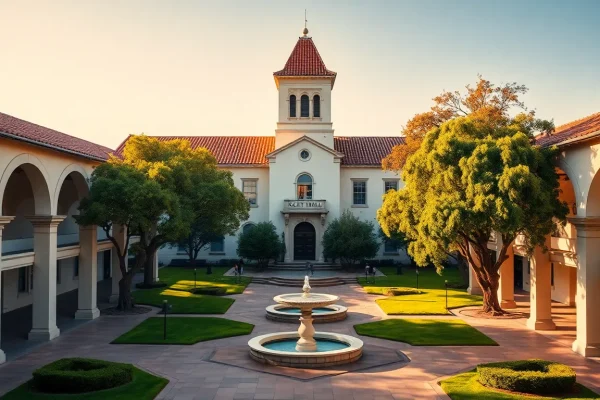
Palo Alto’s historic designation process identifies and protects buildings, structures, and districts that embody the city’s architectural and cultural heritage. This guide explains how properties are evaluated, the roles of the Historic Resources Board and City Council, and how residents can nominate a property for landmark status or inclusion on the Palo Alto Historic Inventory.

Read More →

The Former Town of Mayfield: Palo Alto’s Lost Railroad Suburb and the Whiskey Gulch Legacy

Once a thriving railroad town and the rowdy counterpart to dry Palo Alto, the former Town of Mayfield was annexed in 1925 after decades of political and cultural friction. Its legacy endures in the California Avenue business district, historic architecture, and the enduring tale of Whiskey Gulch, where saloons flourished just across the boundary line. This entry explores the rise, disappearance, and lasting imprint of a community that shaped the character of modern Palo Alto.

Read More →

Professorville Neighborhood Guide: History, Housing, and Local Life

Professorville is Palo Alto’s most storied residential enclave, a National Register historic district where tree-lined streets, early 20th-century architecture, and deep Stanford roots converge. This guide explores its Craftsman and Colonial Revival homes, the iconic HP Garage, top-rated schools, and the quiet, walkable character that attracts academics, professionals, and families seeking a living piece of Silicon Valley history.

Read More →

Palo Alto City Hall: A Spanish Colonial Revival Landmark of Civic Pride and WPA Legacy

Palo Alto City Hall stands as a masterwork of Spanish Colonial Revival architecture and a living monument to the New Deal era. Designed by Charles K. Sumner and adorned with Millard Sheets’ vibrant mural, this 1938 landmark embodies the city’s transformation from a quiet college town into a thriving civic center, blending Stanford-inspired aesthetics with democratic ideals.

Read More →

How to Report a Local Problem Through Palo Alto 311: A Complete Guide

Palo Alto 311 is the city’s official non-emergency service request system, allowing residents to report issues like potholes, graffiti, and streetlight outages online, via mobile app, or by phone. This guide explains how the system works, who manages it, what happens after you submit a request, and how to track its progress using open data tools.

Read More →

Duveneck–St. Francis Neighborhood Guide: History, Housing, and Local Life

Discover Duveneck–St. Francis, a sought-after Palo Alto neighborhood known for its mid-century modern Eichler homes, tree-lined streets, and strong community spirit. With top-rated schools, easy access to parks and nature, and a convenient location near Stanford and Silicon Valley tech hubs, it’s ideal for families and professionals seeking a suburban feel with urban amenities.

Read More →

The Palo Alto Medical Clinic Building: A Landmark of Modern Medicine and Spanish Colonial Revival Architecture

Discover the historic Palo Alto Medical Clinic Building, a pioneering group medical practice founded in 1930 that revolutionized healthcare delivery on the West Coast. Housed in a stunning Spanish Colonial Revival structure designed by architect Birge Clark, this landmark embodies the convergence of innovative medical philosophy and timeless architectural elegance. Today, it stands as a testament to the vision of its founders and the evolution of patient-centered care in Silicon Valley.

Read More →

How Palo Alto’s City Council Works

Palo Alto’s City Council is the legislative and policy-making body for the city, operating under a council-manager form of government. This guide explains the council’s structure, how residents can participate in meetings, and where to find official records and data. Learn about the seven council members, district elections, meeting procedures, and the role of the city manager.

Read More →