Short Answer
Where is Old Palo Alto?
Old Palo Alto is a distinguished residential neighborhood in the heart of Palo Alto, California. It lies immediately south of the downtown commercial district and north of the Oregon Expressway, placing it within easy reach of both the city’s civic core and Stanford University. The neighborhood is renowned for its mature tree canopy, quiet streets, and a remarkable concentration of early 20th-century homes. Its central location makes it one of the most desirable and historically significant areas in the city.
Boundaries and map
The generally accepted boundaries of Old Palo Alto are:
- North: Embarcadero Road
- South: Oregon Expressway
- West: Alma Street (and the Caltrain tracks beyond)
- East: Middlefield Road
This rectangular area encompasses approximately 0.6 square miles. Major internal streets include Lincoln Avenue, Channing Avenue, and Melville Avenue, which run east-west, and Bryant Street, Waverley Street, and Cowper Street, which run north-south. The neighborhood is bordered by Professorville to the north (across Embarcadero), the Community Center neighborhood to the west, and Midtown to the south.
Character of the neighborhood
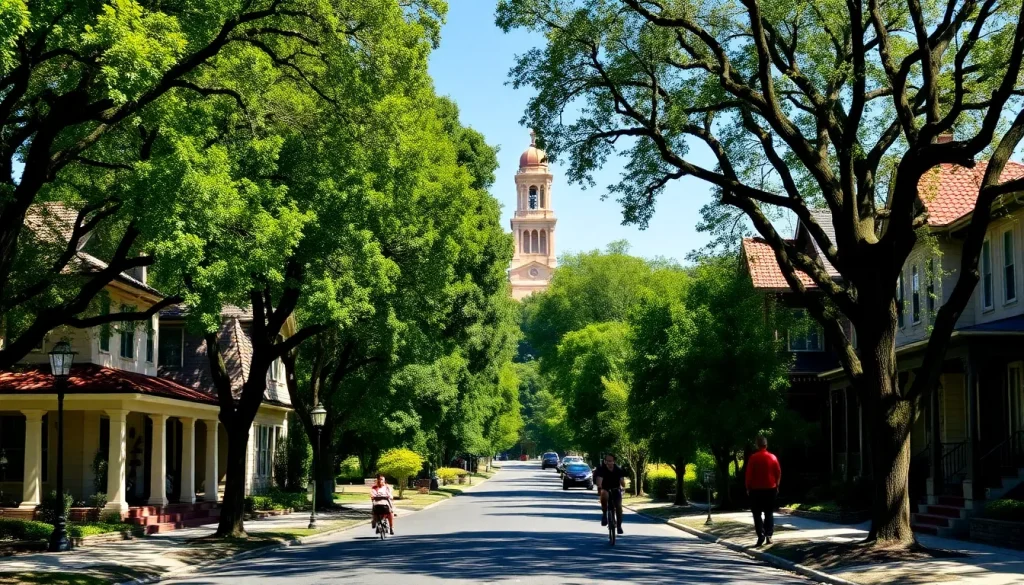
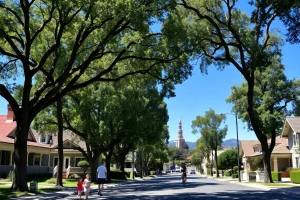
Old Palo Alto exudes a calm, established ambiance. Streets are uniformly lined with mature camphor, oak, and redwood trees, many planted during the neighborhood’s initial development. Sidewalks are wide and well-maintained, encouraging walking and neighborly interaction. The architectural fabric is cohesive yet varied, with period homes set back from the street behind deep front gardens. There is a palpable sense of pride in preservation, and the neighborhood maintains a quiet, family-oriented rhythm punctuated by the sound of children playing and the occasional bicycle bell. It is not uncommon to see residents tending to their gardens or walking dogs along the leafy blocks.
History
Old Palo Alto’s history is intertwined with the founding of Stanford University in 1891 and the subsequent growth of the town of Palo Alto. The area was part of the original town plat filed in the 1890s, but substantial development began after the 1906 San Francisco earthquake, when many families sought new homes on the Peninsula. The neighborhood flourished in the 1910s through the 1930s, attracting professors, business leaders, and professionals who commissioned homes in the popular architectural styles of the day. Its name, “Old Palo Alto,” reflects its status as one of the city’s earliest residential districts, predating the post-World War II expansion that created many surrounding neighborhoods. The area was originally served by a streetcar line that ran along Lincoln Avenue, a remnant of which can still be seen in the wide median on that street.
“The charm of Old Palo Alto lies not just in its individual houses, but in the ensemble—the rhythm of the streetscape, the canopy of trees, and the sense that this is a place where history is lived, not just preserved.” — From the archives of the Palo Alto Historical Association
Housing and architecture
Old Palo Alto is predominantly a single-family residential neighborhood with a rich architectural heritage. The housing stock is a living museum of early 20th-century styles, with many homes listed on the Palo Alto Historic Inventory. Common architectural styles include:
- Craftsman Bungalow: Characterized by low-pitched gable roofs, exposed rafters, wide front porches, and handcrafted stone or wood details.
- Colonial Revival: Symmetrical facades, accentuated front doors with decorative crowns, and multi-pane double-hung windows.
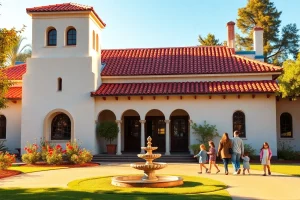
- Spanish Colonial Revival: Stucco exteriors, red tile roofs, arched doorways, and wrought-iron details.
- Tudor Revival: Steeply pitched roofs, half-timbering, and tall, narrow windows.
- Mid-Century Modern: A smaller number of post-war infill homes with clean lines, large windows, and integration with the landscape.
Lot sizes are generous, typically ranging from 6,000 to 10,000 square feet, and many properties feature mature gardens and detached garages. The city’s strict historic preservation ordinance and design guidelines regulate alterations and new construction, which has helped maintain the neighborhood’s character but also contributes to high property values. Teardowns are controversial and subject to rigorous review. Accessory Dwelling Units (ADUs) are permitted under state law but must conform to local design standards.
Parks and natural features
Old Palo Alto is home to two of the city’s most beloved parks and several important community facilities:
- Rinconada Park (777 Embarcadero Road): A 19-acre park featuring a public swimming pool, tennis courts, a children’s playground, picnic areas, and open lawns. It is also the site of the Palo Alto Art Center and the Junior Museum & Zoo.
- Eleanor Pardee Park (851 Center Drive): A smaller, 3.5-acre neighborhood park with a playground, basketball court, and shaded seating areas, popular with young families.
- Palo Alto Art Center: A vibrant community arts hub offering exhibitions, classes, and studios, housed in a historic 1920s building.
- Junior Museum & Zoo: A hands-on science and nature center with live animals, interactive exhibits, and educational programs, ideal for children.
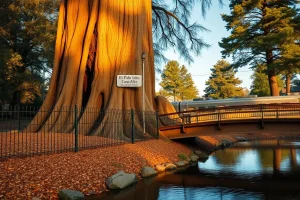
The neighborhood’s tree canopy is itself a defining natural feature. The city’s urban forest includes numerous heritage trees, and residents take an active role in their care. The nearby Baylands Nature Preserve, accessible via Embarcadero Road, offers miles of trails for walking, cycling, and birdwatching.
Schools and community facilities
Old Palo Alto is served by the highly regarded Palo Alto Unified School District. Public school assignments are based on street address, but the neighborhood is generally zoned for:
- Walter Hays Elementary School (1525 Middlefield Road)
- Frank S. Greene Jr. Middle School (750 N California Avenue, formerly Jordan Middle School)
- Palo Alto High School (50 Embarcadero Road)
In addition, the private, all-girls Castilleja School (1310 Bryant Street) is located within the neighborhood, serving grades 6–12. The Rinconada Library (1213 Newell Road), part of the Palo Alto City Library system, offers extensive collections, children’s programs, and community meeting spaces. The Lucie Stern Community Center (1305 Middlefield Road) is just across the street and hosts recreation classes, events, and the Palo Alto Players theater group.
Transportation and walkability
Old Palo Alto is highly walkable and bike-friendly. Most daily errands can be accomplished on foot or by bicycle, with downtown Palo Alto’s shops and restaurants less than a mile away. The neighborhood scores well on walkability metrics, with wide sidewalks, marked crosswalks, and traffic-calmed streets. Dedicated bike lanes run along Middlefield Road, Embarcadero Road, and Oregon Expressway, connecting to the city’s broader bicycle network.
Public transportation options include:
- Caltrain: The Palo Alto station at University Avenue is approximately 1 mile north, providing commuter rail service to San Francisco and San Jose.
- VTA Bus: Routes 21 and 22 serve Middlefield Road and El Camino Real, respectively.
- Stanford Marguerite Shuttle: Free shuttle service connecting to Stanford University and the Stanford Shopping Center.
Major arterial roads—Embarcadero Road, Oregon Expressway, and Middlefield Road—provide direct access to Highway 101 and Interstate 280. However, these roads can experience congestion during peak commute hours.
Shops and everyday services
Old Palo Alto is primarily residential, with limited commercial activity within its boundaries. A few small businesses, such as professional offices and a corner market, can be found along Middlefield Road. However, residents are within a short walk or bike ride of several vibrant commercial districts:
- Downtown Palo Alto (University Avenue): A wide array of restaurants, cafes, boutiques, bookstores, and essential services.
- Town & Country Village (across Embarcadero Road): A convenient shopping center with a grocery store, pharmacy, hardware store, and family-friendly dining.
- California Avenue Business District: Located about 1.5 miles south, offering another cluster of shops, restaurants, and a farmers’ market on Sundays.
For larger retail needs, the Stanford Shopping Center is a short drive or shuttle ride away.
Notable landmarks
While Old Palo Alto is best known for its residential character, several landmarks stand out:
- Palo Alto Art Center and Junior Museum & Zoo: A cultural and educational anchor for the entire city.
- Historic Homes: Numerous individually significant residences, such as the Norris House (1927) and the Dunker House (1912), which exemplify the neighborhood’s architectural legacy.
- Lincoln Avenue Median: A wide, landscaped median that once carried a streetcar line, now a linear green space and a reminder of the neighborhood’s early transit history.
- Castilleja School Campus: The historic main building and grounds of this century-old private school.
Current planning issues
Old Palo Alto is at the center of several ongoing planning discussions that reflect broader tensions in Palo Alto:
- Historic Preservation vs. Housing Needs: The city’s rigorous historic preservation rules are credited with maintaining the neighborhood’s character, but critics argue they limit housing supply and contribute to soaring prices. Debates over teardowns and the designation of new historic districts are frequent.
- Mansionization: New homes and major remodels often maximize allowable floor area, leading to concerns about scale and compatibility with the existing streetscape. The city’s design guidelines attempt to balance individual property rights with neighborhood character.
- Accessory Dwelling Units (ADUs): State mandates have made ADUs easier to build, but local regulations regarding setbacks, height, and design review continue to evolve.
- Traffic Calming: Cut-through traffic on streets like Lincoln Avenue and Middlefield Road has prompted resident requests for speed humps, roundabouts, and other measures.
- Tree Protection: The city’s tree ordinance protects heritage trees, but conflicts arise when trees interfere with construction or infrastructure. The neighborhood association actively monitors tree removal requests.
What residents should know
Living in Old Palo Alto comes with distinct advantages and responsibilities:
- Strong Community Association: The Old Palo Alto Neighborhood Association (OPANA) is an active volunteer group that organizes social events, monitors development proposals, and advocates for quality-of-life issues. New residents are encouraged to join.
- Historic Regulations: If your home is on the Historic Inventory or in a potential historic district, exterior changes may require additional review. Even non-listed properties must comply with design guidelines.
- Tree Care: Many trees are protected. Pruning or removing a tree with a trunk diameter above a certain threshold requires a permit.
- Parking: On-street parking is generally available but can be limited near Rinconada Park during events and on school days. Overnight parking restrictions are not in effect, but large vehicles and RVs are regulated.
- Wildlife: The neighborhood’s mature trees and proximity to creeks mean residents may encounter raccoons, skunks, opossums, and a variety of birds. Coyote sightings are rare but possible.
- Noise: The neighborhood is quiet, but the Caltrain horn and occasional freight trains can be heard, especially on the western edge near Alma Street. The city is working on quiet zone improvements.
Nearby neighborhoods
Old Palo Alto is surrounded by several distinct neighborhoods, each with its own character. The following table provides a quick comparison:
| Neighborhood | Distance | Key Characteristics |
|---|---|---|
| Professorville | Adjacent to the north | Historic district with many Stanford professor homes, larger lots, and a similar early 20th-century architectural mix. |
| Downtown Palo Alto | 0.5–1 mile north | Commercial core with high-density housing, restaurants, shops, and the Caltrain station. |
| Community Center | Adjacent to the west | Mix of residential and civic uses, including the Lucie Stern Community Center and the main library. |
| Midtown | Adjacent to the south | Post-war suburban development with ranch-style homes, good schools, and a commercial strip on Middlefield. |
| Crescent Park | 1 mile northeast | Affluent, larger homes on even bigger lots, with a more suburban feel and proximity to the Baylands. |
FAQ
What is the housing market like in Old Palo Alto?
Old Palo Alto is one of the most expensive neighborhoods in Palo Alto, with median home prices typically exceeding $3 million. Homes are predominantly single-family, built between 1900 and 1940, and often retain original architectural details. Inventory is low, and properties frequently receive multiple offers. Buyers should be prepared for competitive bidding and should research the implications of historic designation on renovations.
Are there any historic preservation rules I need to know about?
Yes. Many homes in Old Palo Alto are listed on the Palo Alto Historic Inventory, and the neighborhood is subject to the city's Historic Preservation Ordinance. Exterior alterations, additions, and demolitions may require review by the Historic Resources Board. Even if your home is not individually listed, it may be considered a contributor to a potential historic district. Always check with the Planning Department before starting work.
What schools serve the neighborhood?
Public schools are part of the top-rated Palo Alto Unified School District. Most of Old Palo Alto is zoned for Walter Hays Elementary, Frank S. Greene Jr. Middle School, and Palo Alto High School. The private Castilleja School for girls (grades 6–12) is also located within the neighborhood. School boundaries can change, so verify with the district.
Is Old Palo Alto walkable?
Extremely. The neighborhood has wide sidewalks, a flat terrain, and a dense street grid. Downtown Palo Alto's shops and restaurants are a 10- to 15-minute walk, and Rinconada Park is within easy strolling distance. Many residents walk or bike for daily errands, and the area scores high on walkability indexes.
What parks and recreation opportunities are available?
Rinconada Park offers a swimming pool, tennis courts, playgrounds, and the Junior Museum & Zoo. Eleanor Pardee Park provides a quieter neighborhood green space. The Palo Alto Art Center hosts classes and exhibitions. The Baylands Nature Preserve is a short bike ride away for hiking and birdwatching.
Leave a Reply