Short Answer
Where is Charleston Gardens Neighborhood Guide?
Charleston Gardens is a residential neighborhood in southern Palo Alto, California, nestled between the bustling Oregon Expressway and the serene Baylands Nature Preserve. It lies east of Middlefield Road and west of Highway 101, offering a blend of suburban tranquility and convenient access to both nature and Silicon Valley employment centers. The neighborhood is part of the larger South Palo Alto area and is known for its tree-lined streets, mid-century modern architecture, and strong sense of community.
Boundaries and map
The neighborhood’s boundaries are clearly defined by major transportation corridors and natural features:
- North: Oregon Expressway (Route 82)
- East: Highway 101
- South: East Charleston Road
- West: Middlefield Road
This rectangular area places Charleston Gardens directly adjacent to the Baylands, with the Charleston Slough and marshlands just a short walk or bike ride away. The neighborhood is bisected by several quiet residential streets, including Carlson Court, Charleston Court, and Garden Court, which reflect its garden-like setting.
Character of the neighborhood
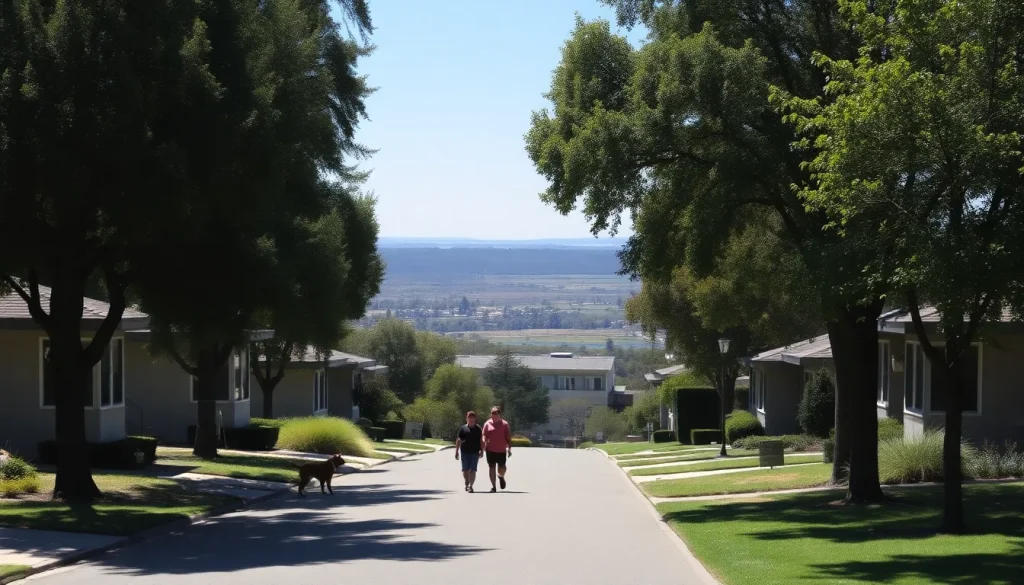
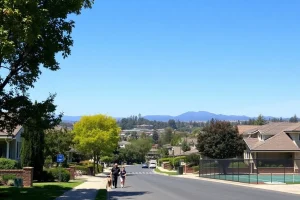
Charleston Gardens exudes a calm, family-oriented atmosphere. The streets are wide and quiet, lined with mature trees and well-maintained front yards. A defining characteristic is the prevalence of mid-century modern homes, particularly those designed by Joseph Eichler, which give the area a distinctive architectural identity. Residents often describe the neighborhood as a hidden gem—close to the tech hubs of Palo Alto and Mountain View yet removed from the hustle, with the Baylands providing a natural buffer to the east.
“Living here feels like being in a private park. The Eichler homes with their glass walls bring the outside in, and the Baylands trails are our extended backyard.” — A long-time Charleston Gardens resident
Community engagement is strong, with an active neighborhood association that organizes events, monitors development, and advocates for traffic calming. The neighborhood is popular with families, professionals, and retirees who value its peaceful environment and architectural heritage.
History
The land that became Charleston Gardens was originally part of the vast Rancho Rincon de San Francisquito, a Mexican land grant. For much of the late 19th and early 20th centuries, the area remained agricultural, with orchards and fields. After World War II, Palo Alto experienced a housing boom, and developers saw potential in the flat, open land near the bay.
In the 1950s and 1960s, builder Joseph Eichler purchased large tracts and constructed hundreds of his signature mid-century modern homes. These houses, with their open floor plans, floor-to-ceiling windows, and central atriums, were designed to bring the outdoors in and foster a casual, modern lifestyle. The neighborhood was named after East Charleston Road, which itself was named for the city of Charleston, South Carolina, following a pattern of naming streets after American cities. The area was fully built out by the early 1970s, and since then it has retained much of its original character, with many homes carefully preserved or thoughtfully updated.
Housing and architecture
Charleston Gardens is predominantly a single-family home neighborhood. The housing stock is overwhelmingly mid-century modern, with Eichler homes comprising a significant portion. These homes typically feature:
- Post-and-beam construction with flat or low-slope roofs
- Floor-to-ceiling glass walls facing private gardens or atriums
- Open-plan living areas with radiant floor heating
- Original mahogany paneling and concrete slab floors
In addition to Eichlers, there are some ranch-style houses built in the same era and a small number of newer custom homes that have replaced original structures. Lot sizes average around 6,000 square feet, providing modest but usable yards. The neighborhood is not designated as a historic district, but many individual homes are recognized for their architectural significance, and the city’s planning policies encourage preservation of the mid-century modern character.
Home prices reflect the desirability of Palo Alto schools and the unique architecture, with values typically ranging from $2.5 million to over $4 million depending on size, condition, and updates. The neighborhood has a low turnover rate, a testament to its appeal.
Parks and natural features
The neighborhood’s greatest natural asset is its adjacency to the Baylands Nature Preserve, a 1,940-acre expanse of tidal marshes, sloughs, and trails. Residents can access the preserve via the Charleston Slough trailhead at the end of East Charleston Road, just a few blocks away. The Baylands offers:
- Miles of flat, multi-use trails for walking, jogging, and cycling
- Birdwatching opportunities, with over 200 species recorded
- The Lucy Evans Baylands Nature Interpretive Center, which provides educational exhibits
- Picnic areas and benches with views of the bay and the Santa Cruz Mountains
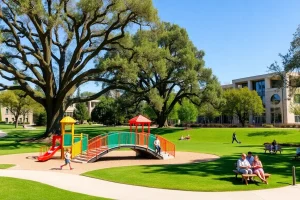
Within the neighborhood itself, Charleston Park at 2400 Charleston Road serves as a community hub. This small but well-maintained park features a playground, a grassy field, shaded benches, and a half-basketball court. It is a popular gathering spot for families and hosts occasional neighborhood events.
Schools and community facilities
Charleston Gardens is served by the highly regarded Palo Alto Unified School District. The assigned schools are:
- Palo Verde Elementary School (K-5) – located at 3450 Louis Road, known for its strong academic programs and parent involvement
- Jane Lathrop Stanford Middle School (6-8) – at 480 East Meadow Drive, offering a comprehensive curriculum and numerous extracurriculars
- Henry M. Gunn High School (9-12) – at 780 Arastradero Road, consistently ranked among the top public high schools in California
All three schools are within a short drive or bike ride. The neighborhood also has access to private schools in the wider Palo Alto area, such as Castilleja School and International School of the Peninsula.
Community facilities include the Charleston Gardens Neighborhood Association, which serves as a voice for residents and organizes social events. The nearby Mitchell Park Community Center (3700 Middlefield Road) offers a library, teen center, and recreational programs. The Palo Alto Family YMCA on Ross Road is also easily accessible.
Transportation and walkability
Charleston Gardens is a car-dependent neighborhood for most daily errands, but it offers good connectivity for cyclists and pedestrians. Key transportation features include:
- Major roads: Oregon Expressway provides quick access to Highway 101 and downtown Palo Alto; Middlefield Road connects to Mountain View and Menlo Park.
- Public transit: VTA bus routes 21 and 522 run along Middlefield Road, connecting to the Palo Alto Transit Center and Caltrain. The neighborhood is about 2 miles from the San Antonio Caltrain station.
- Biking: Bike lanes are present on East Charleston Road and Middlefield Road. The Baylands trails offer a scenic, car-free route to the Palo Alto Baylands and beyond. The city’s bike boulevard network is expanding nearby.
- Walkability: The Charleston Shopping Center (with a grocery store, pharmacy, and dining) is within a 15-minute walk for many residents. Sidewalks are continuous, and street lighting is adequate.
Traffic calming measures, such as speed humps and roundabouts on local streets, help maintain the neighborhood’s quiet character despite its proximity to major arterials.
Shops and everyday services
Residents rely on the Charleston Shopping Center at the corner of Middlefield Road and East Charleston Road for daily needs. Anchored by a Piazza’s Fine Foods grocery store, the center also includes:
- A CVS pharmacy
- Several casual restaurants and cafes, including a popular taqueria and a sushi spot
- A dry cleaner, a nail salon, and a dental office
For a wider selection, the San Antonio Shopping Center in Mountain View (about 1.5 miles south) offers a Trader Joe’s, Walmart, and numerous retailers. Downtown Palo Alto’s shops and restaurants are a 10-minute drive away. The neighborhood also has a small number of home-based businesses, such as yoga studios and tutoring services.
Notable landmarks
While Charleston Gardens is primarily residential, several landmarks define its character:
- Charleston Park: The neighborhood’s central green space, with a distinctive modern play structure and a community bulletin board.
- Eichler Home Clusters: The streets of Carlson Court and Garden Court are particularly dense with well-preserved Eichler homes, often used as case studies in mid-century modern design.
- Baylands Nature Preserve Entrance: The trailhead at the end of East Charleston Road, marked by interpretive signage and a gate, is a local landmark that symbolizes the neighborhood’s connection to nature.
- Charleston Slough: A tidal channel that runs along the eastern edge, visible from the Baylands trails, and an important habitat for shorebirds.
Current planning issues
Charleston Gardens faces several planning and development issues that are actively discussed by residents and city officials:
- Traffic and cut-through traffic: With the growth of nearby employment centers, there is concern about increased traffic on East Charleston Road and Middlefield Road, prompting calls for additional traffic calming and pedestrian safety improvements.
- Sea level rise and Baylands management: The neighborhood’s proximity to the bay makes it vulnerable to projected sea level rise. The city is working on long-term strategies for the Baylands, including levee improvements and habitat restoration, which could affect access and views.
- Teardowns and mansionization: As in other Palo Alto neighborhoods, there is tension between preserving mid-century modern homes and allowing larger replacement houses. The city’s single-family home design guidelines aim to maintain neighborhood character, but debates continue.
- Housing element and ADUs: State mandates for accessory dwelling units (ADUs) have led to a gradual increase in backyard cottages, which some residents embrace for multi-generational living and others view as a threat to the low-density feel.
What residents should know
Living in Charleston Gardens comes with a few practical considerations:
- Airport noise: The neighborhood is under the flight path for San Jose International Airport, though noise is generally moderate and most homes have double-pane windows.
- Utility lines: Unlike some Eichler neighborhoods, most power lines are underground, preserving the clean aesthetic.
- Neighborhood association: Joining the Charleston Gardens Neighborhood Association is highly recommended for staying informed about local issues and events. Annual dues are voluntary but support community activities.
- Wildlife: Residents may encounter raccoons, skunks, and the occasional coyote from the Baylands. Secure trash bins and avoid leaving pet food outside.
- Gardening: The soil can be heavy clay, so raised beds and soil amendments are common for successful gardening.
Nearby neighborhoods
Charleston Gardens is surrounded by several distinct Palo Alto neighborhoods, each with its own character. The following table provides a quick comparison:
| Neighborhood | Distance | Key Characteristics |
|---|---|---|
| Midtown | 0.5 miles west | Larger lots, mix of ranch and newer homes, close to Midtown Shopping Center |
| Ventura | 0.8 miles south | Post-war homes, strong community association, access to Ventura Park |
| Barron Park | 1.2 miles west | Rural feel, large lots, home to the historic Juana Briones house, donkeys |
| Southgate | 0.6 miles north | Eichler homes, adjacent to Oregon Expressway, similar mid-century modern stock |
| Mountain View (Rex Manor) | 1.5 miles south | More affordable, mix of housing, part of Mountain View school district |
FAQ
What types of homes are in Charleston Gardens?
The neighborhood is predominantly single-family homes, many of which are mid-century modern Eichler homes built in the 1950s and 1960s. There are also some ranch-style houses and a few newer custom homes. Lot sizes are generally around 6,000 square feet.
Is Charleston Gardens a good place for families?
Yes, it's highly family-friendly with quiet streets, a neighborhood park, and access to top-rated Palo Alto schools. The nearby Baylands offers outdoor recreation, and the community has an active neighborhood association that organizes events.
How walkable is Charleston Gardens?
The neighborhood is moderately walkable. Daily errands may require a car, but Charleston Shopping Center is within a 15-minute walk for many residents. The area is bike-friendly, with bike lanes on major roads and direct access to the Baylands trails.
Leave a Reply